How Long Does It Take to Grill Chicken? (Full Guide)
Look, if I had a dollar for every time somebody walked up to my pit and asked me “how long does it take to grill chicken?”—I’d probably have enough to buy another smoker. And trust me, I don’t need another smoker. My wife already says the backyard looks like a barbecue museum.
But here’s the thing—it’s actually a really important question, and the answer isn’t as simple as slapping a number on it. How long it takes to grill chicken depends on the cut, the thickness, whether you’re using bone-in or boneless, and what temperature your grill is running. Get it wrong and you’re either serving rubber or, worse, undercooked poultry. Neither one is going to win you any friends at the cookout.
So after 20-plus years of standing over charcoal and gas grills here in Kansas City, let me break it all down for you. Consider this your no-nonsense, field-tested guide to grilling chicken perfectly every single time.
The Golden Rule: Temperature Over Time
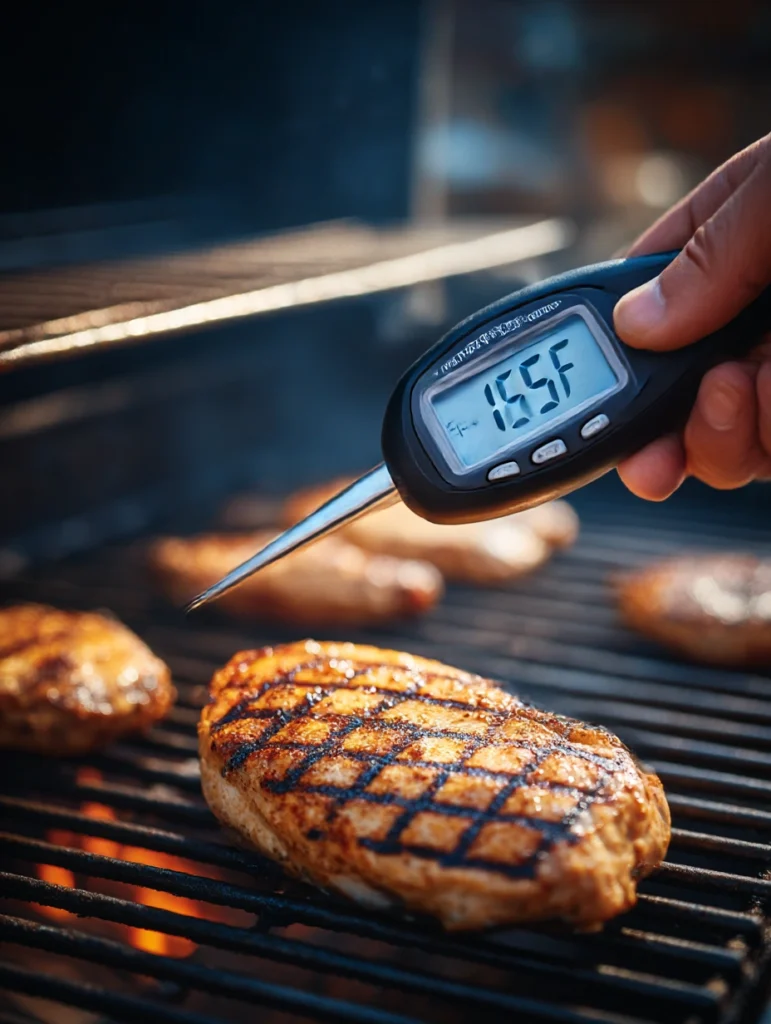
Before we even get into specific cuts, I need to drill this into your head: the internal temperature of your chicken matters more than the clock. Every piece of chicken you pull off that grill should hit 165°F (74°C) at its thickest point. No exceptions.
I learned this the hard way back in culinary school. I was so focused on timing that I pulled a gorgeous-looking chicken breast off the grill, sliced into it proudly, and—yeah. Pink. My instructor just shook his head. Get yourself a good instant-read thermometer. It’s the single best investment you’ll make as a griller. I’m not kidding. Forget the fancy tongs, forget the apron with the clever saying. Thermometer first.
Quick Reference: Chicken Grilling Times at a Glance
Alright, I know some of you just want the numbers. Fair enough. Here’s your cheat sheet. But promise me you’ll read the rest of the article too, because context matters.
| Cut | Thickness / Size | Grill Temp | Time (Total) | Internal Temp |
|---|---|---|---|---|
| Boneless, Skinless Breast | ¾ inch | Medium-High (400–450°F) | 10–12 min | 165°F |
| Boneless, Skinless Breast | 1 inch+ | Medium-High (400–450°F) | 12–16 min | 165°F |
| Bone-In, Skin-On Breast | N/A | Medium (350–400°F) | 30–40 min | 165°F |
| Boneless Thighs | Standard | Medium-High (400–450°F) | 8–10 min | 165°F |
| Bone-In Thighs | Standard | Medium (350–400°F) | 25–35 min | 165°F |
| Drumsticks | Standard | Medium (350–400°F) | 25–30 min | 165°F |
| Wings | Standard | Medium-High (400–450°F) | 18–25 min | 165°F |
| Whole Chicken | 4–5 lbs | Medium-Low (300–350°F) | 1–1.5 hours | 165°F (thigh) |
| Chicken Tenders | ½ inch | Medium-High (400–450°F) | 6–8 min | 165°F |
Now let’s get into the details, because every cut has its quirks.
Grilling Chicken Breasts
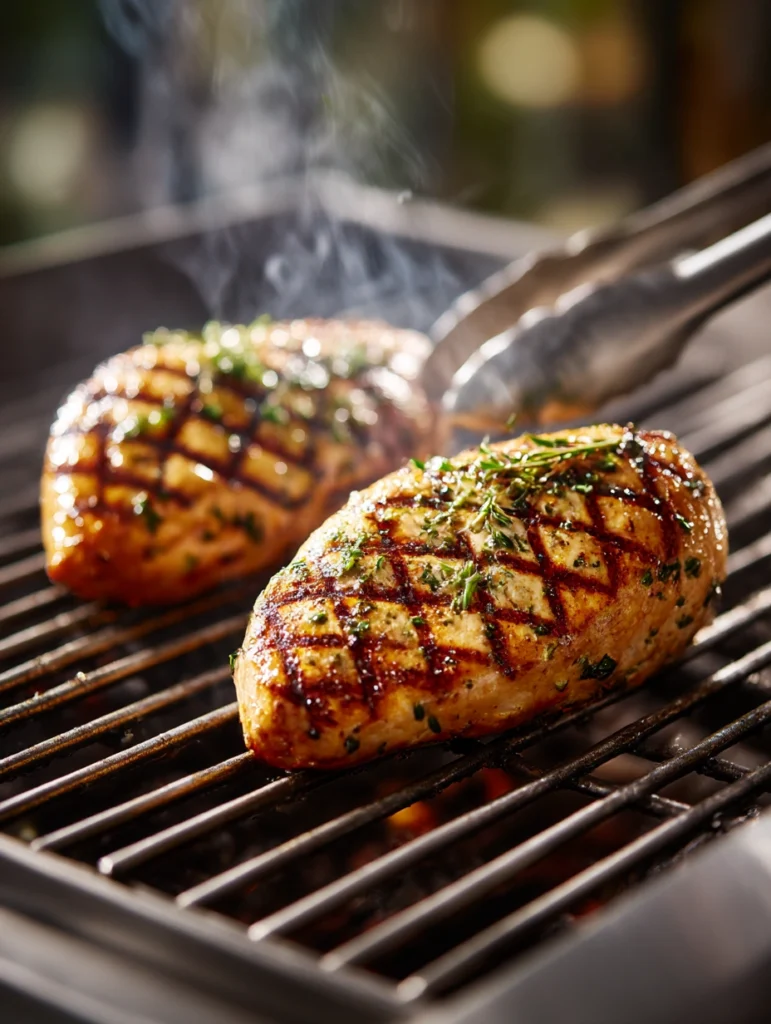
Boneless, Skinless Breasts
This is the cut that trips people up the most. Boneless breasts are lean, unforgiving, and they go from juicy to cardboard in about 90 seconds if you’re not paying attention.
How to Nail It Every Time
Prep Time: 5 minutes | Grill Time: 10–16 minutes | Rest Time: 5 minutes
What You’ll Need:
- 4 boneless, skinless chicken breasts
- 2 tablespoons olive oil
- Salt and pepper (or your favorite rub)
- Instant-read thermometer
Instructions:
- Even them out. If one end of the breast is way thicker than the other, butterfly it or pound it to an even thickness. This is non-negotiable. Uneven breasts mean one end is overcooked while the other is still raw. I keep a simple meat mallet next to my grill for exactly this reason.
- Oil and season. Coat lightly with olive oil, then hit it with your seasoning. I like a simple Kansas City-style rub—brown sugar, paprika, garlic powder, onion powder, salt, and black pepper. Nothing fancy, just flavor.
- Preheat the grill to medium-high (400–450°F). Clean those grates and oil them. Sticky chicken is sad chicken.
- Grill for 5–7 minutes per side. Don’t touch it for the first 5 minutes. Seriously. Put the tongs down. Let the grill do its thing. You’ll get those beautiful grill marks and the chicken will release naturally when it’s ready to flip.
- Check the temp. Pull at 160°F—it’ll carry over to 165°F while resting.
- Rest for 5 minutes. This redistributes the juices. Skip this step and all that moisture ends up on your cutting board instead of in your mouth.
So in my experience, the biggest mistake people make with chicken breasts is overcooking. If you’re grilling a breast that’s about ¾ inch thick, you’re looking at roughly 10–12 minutes total. Thicker ones closer to 14–16 minutes. But again—thermometer, thermometer, thermometer.
Bone-In, Skin-On Breasts
Now we’re talking. Bone-in breasts take longer—usually 30 to 40 minutes—but the bone insulates the meat and the skin keeps everything moist. I like to start these skin-side down over direct heat for about 5 minutes to crisp the skin, then move them to indirect heat to finish cooking through. Drop your grill temp to medium, around 350–400°F, and let patience do the work.
Grilling Chicken Thighs
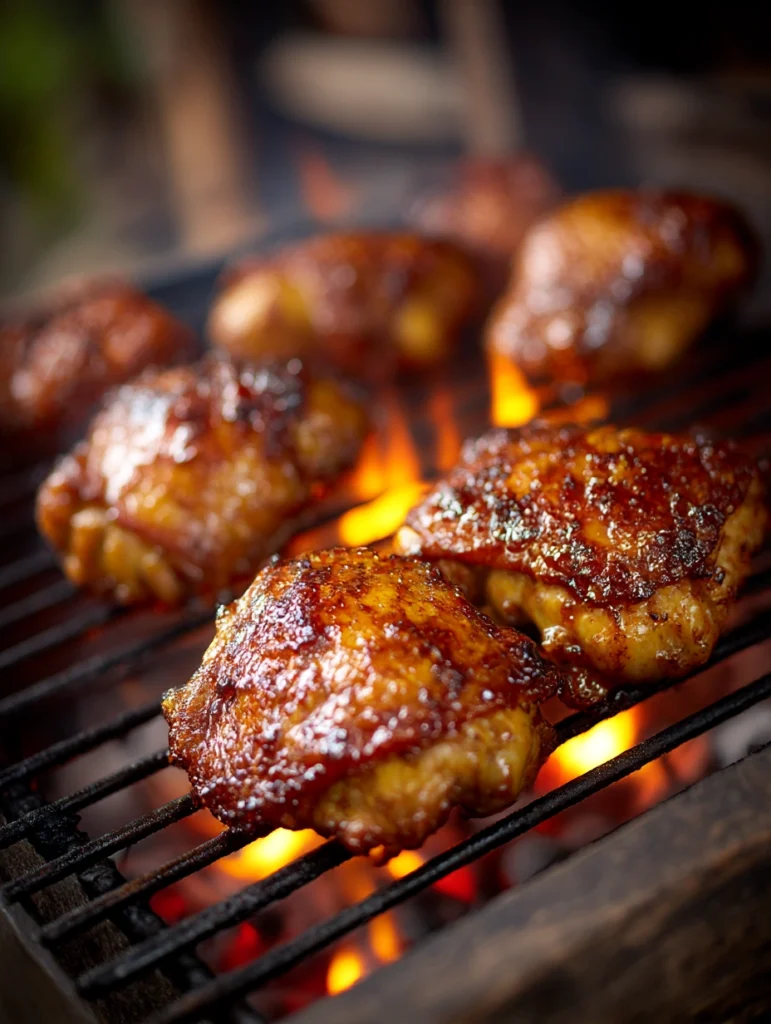
Why Thighs Are the Grill Master’s Best Friend
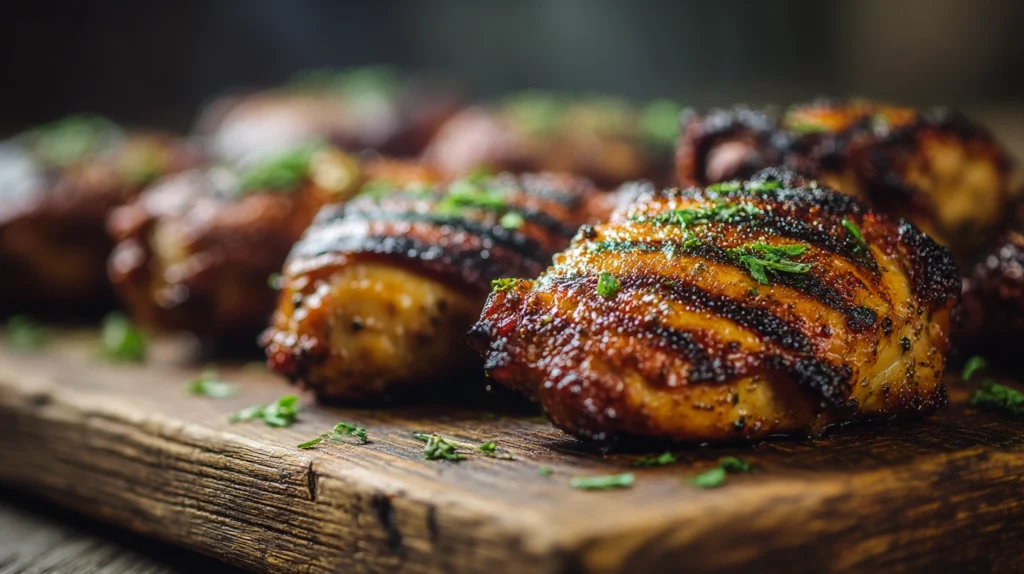
I’ll say it: thighs are better than breasts for grilling. There, I said it. They’ve got more fat, more flavor, and they’re way more forgiving. You practically have to try to dry out a thigh. The extra fat content means they stay juicy even if you overshoot the timing by a minute or two.
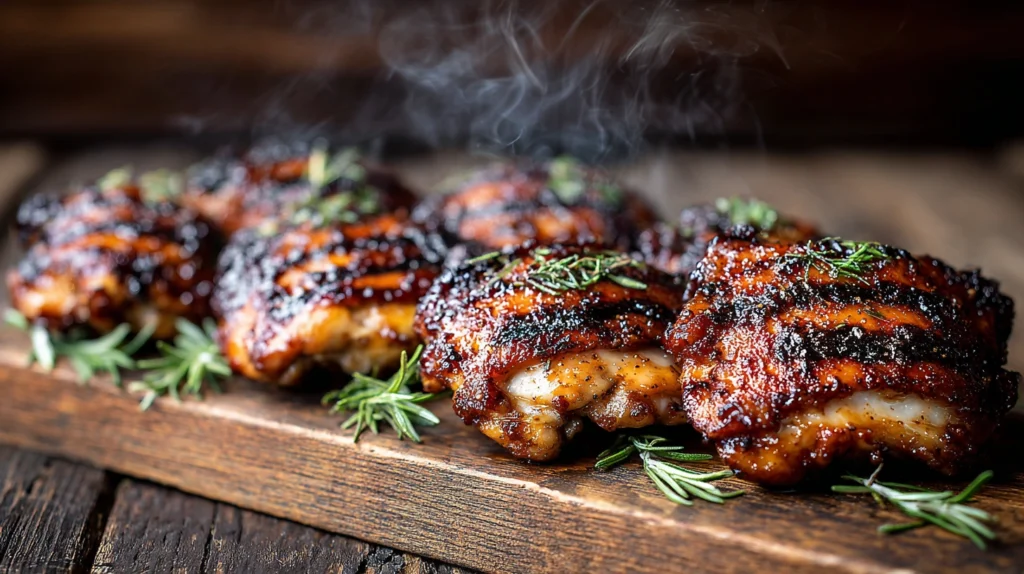
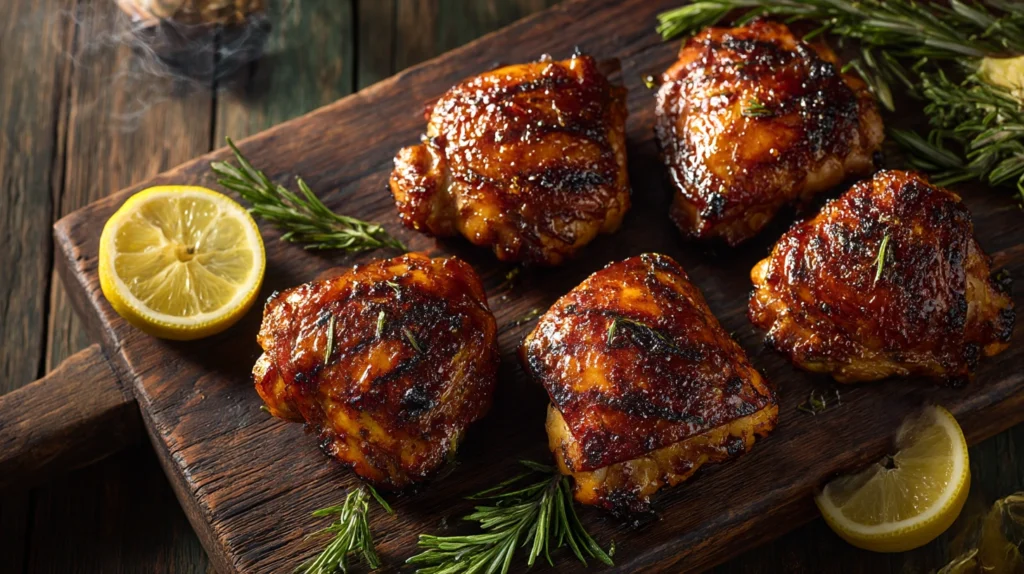
Boneless thighs cook fast—about 4–5 minutes per side over medium-high heat. Bone-in thighs need more time, roughly 25–35 minutes with a mix of direct and indirect heat. Either way, they’re fantastic with just salt and pepper, or go wild with a marinade. I’ve been doing a soy-ginger-lime marinade lately that’s been an absolute hit at the restaurant.
Grilling Drumsticks
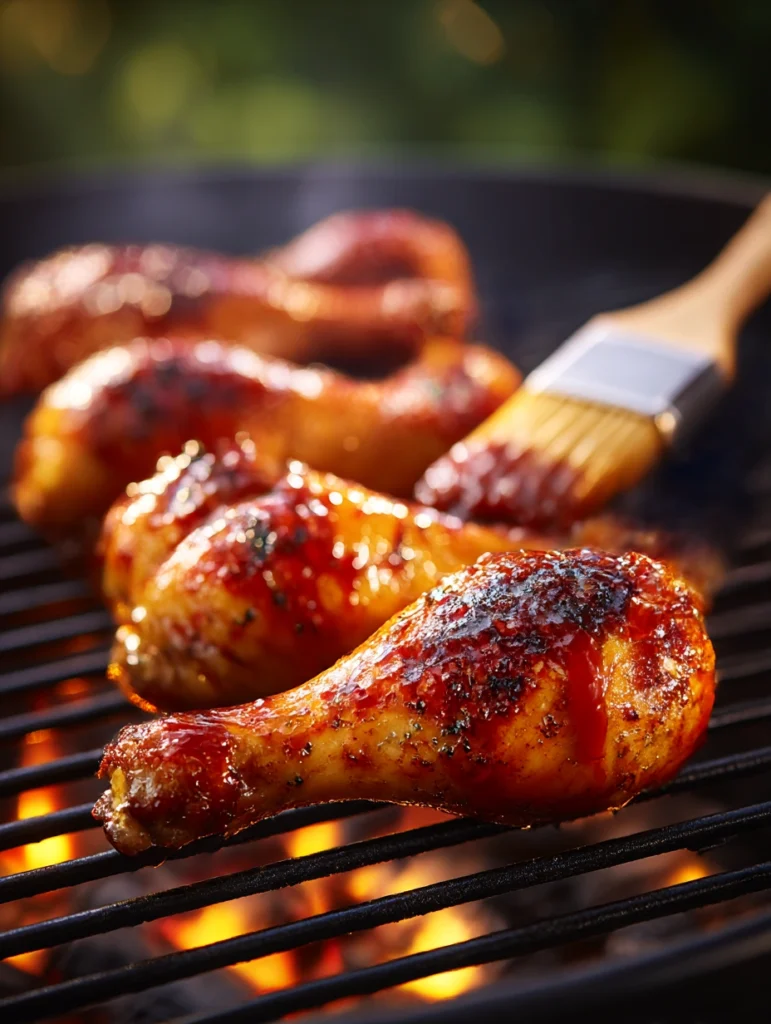
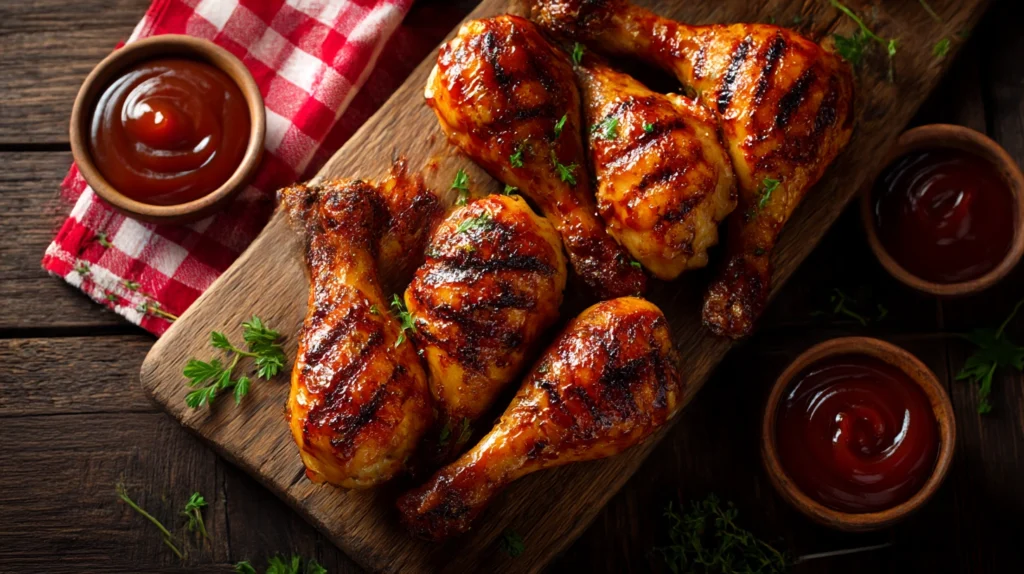
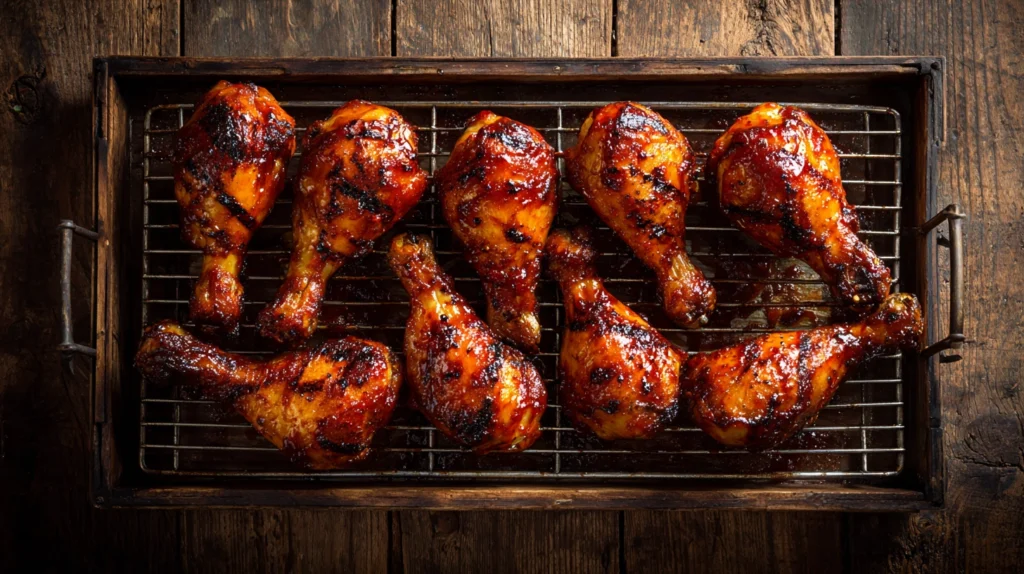
Drumsticks are the crowd-pleasers. Kids love them, adults love them, and they’re cheap. Cook them over medium heat (350–400°F) for about 25–30 minutes, turning every 5–7 minutes so they cook evenly and the skin gets crispy all the way around.
Here’s a pro tip I picked up from competing on the barbecue circuit: glaze your drumsticks with sauce only in the last 5 minutes. Put the sauce on too early and the sugars burn, giving you a charred, bitter coating instead of that glossy, caramelized finish you’re after.
Grilling Wings
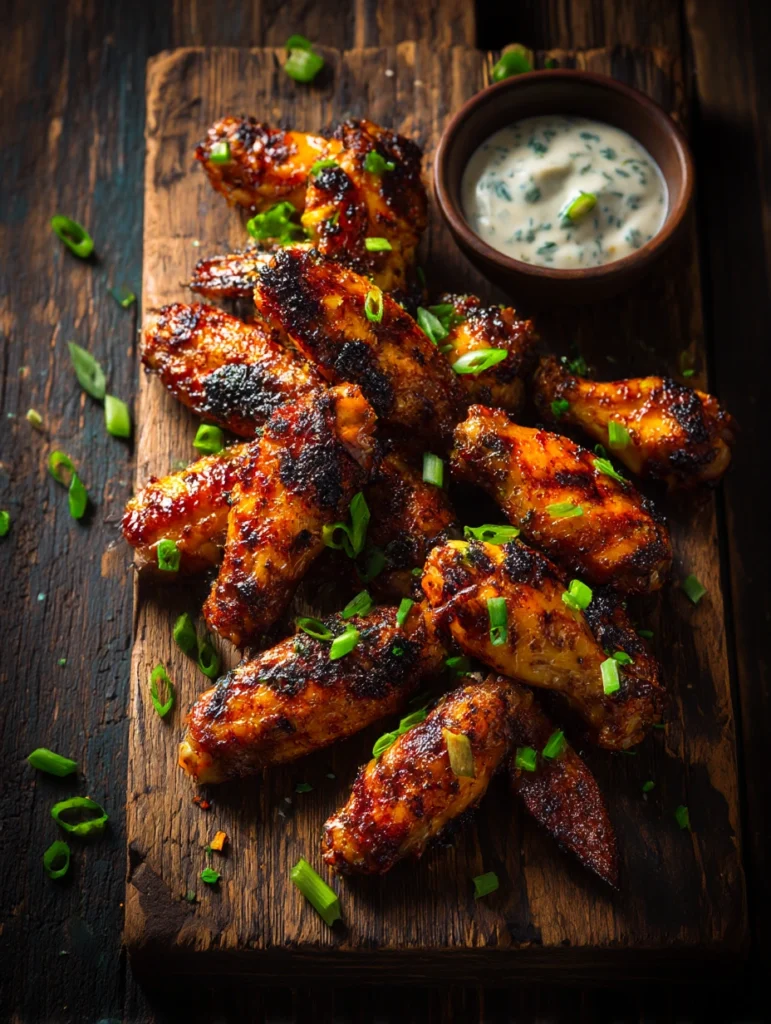
Wings are basically the appetizer that became the main course, and I’m here for it. Grill them over medium-high heat for 18–25 minutes, flipping every 5 minutes or so. They’re done when the skin is crispy and the internal temp hits 165°F.
Anyway, one thing I love about wings is how well they take on smoke. If you’re using a charcoal grill, toss a small chunk of applewood or cherrywood onto the coals. It adds this subtle sweetness that takes wings from good to “where did you learn to cook like this?”
Grilling a Whole Chicken
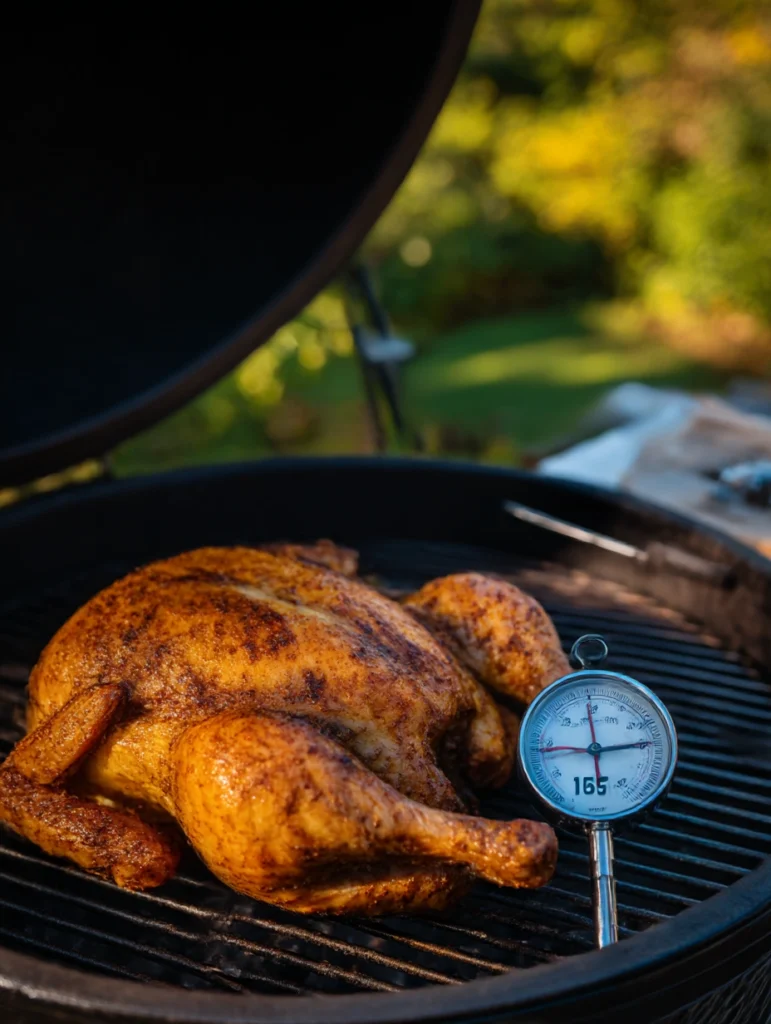
The Big One: Indirect Heat Is Your Friend
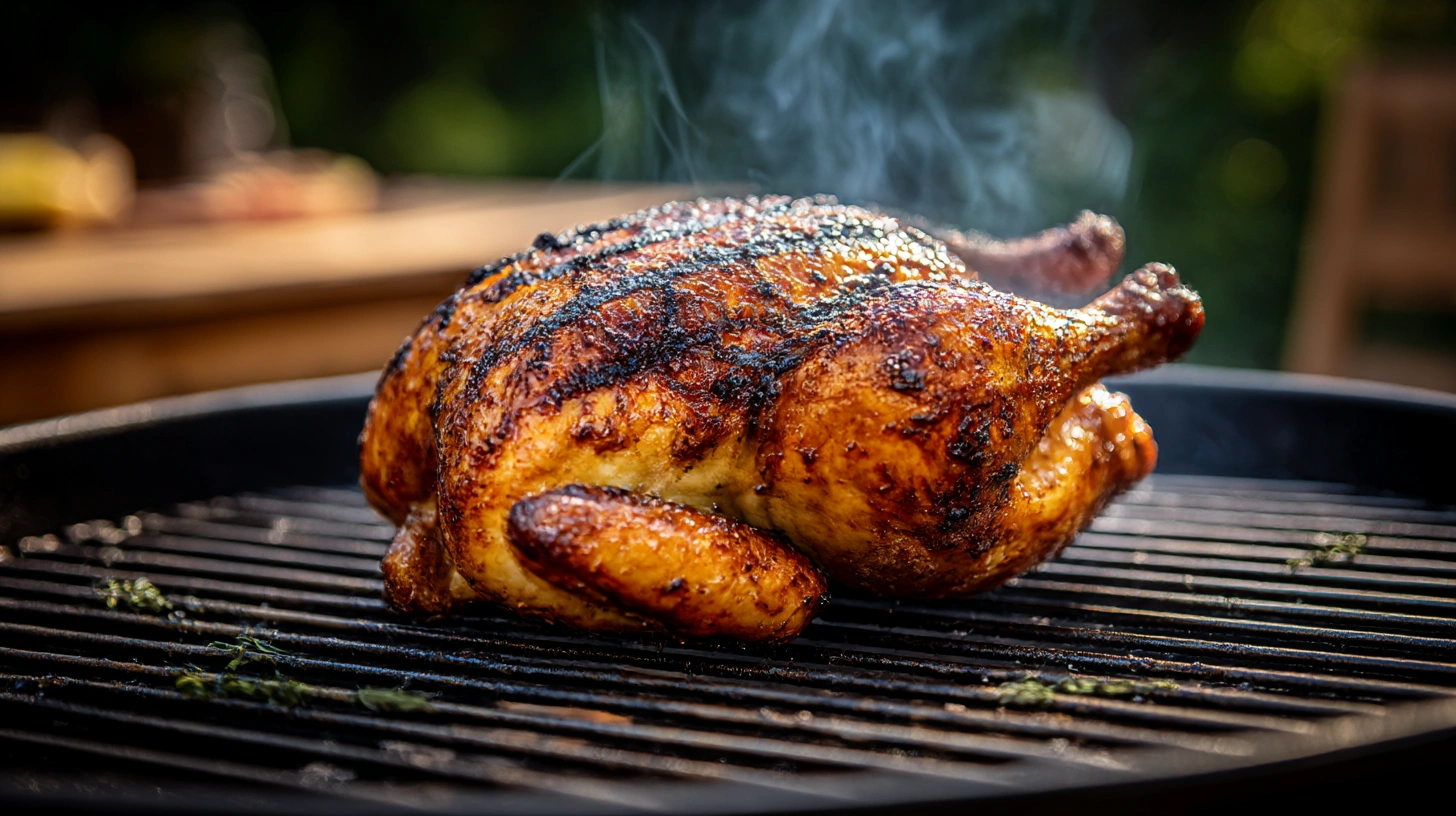
A whole chicken on the grill is a beautiful thing. It’s also where a lot of backyard cooks panic. Don’t. It’s easier than you think.
Estimated Time: 1 to 1.5 hours for a 4–5 lb bird at 300–350°F using indirect heat.
Instructions:
- Spatchcock it (or don’t, but spatchcocking cuts your cook time by about 30% and gives you more even cooking). To spatchcock, cut out the backbone with kitchen shears, flip the bird over, and press it flat.
- Season generously inside and out. I use a dry rub and let it sit uncovered in the fridge for at least an hour before grilling.
- Set up indirect heat. Bank your coals to one side, or turn off one burner on a gas grill. Place the chicken on the cool side, breast up.
- Close the lid and resist the urge to peek. Every time you open that lid, you’re adding 5–10 minutes to your cook time.
- Check the temp in the thickest part of the thigh. When it reads 165°F, you’re golden.
A spatchcocked chicken at 350°F will usually finish in about 45–55 minutes. A whole, un-spatchcocked bird takes closer to 1 to 1.5 hours. Either way, you’re going to want to let it rest for 10–15 minutes before carving.
Factors That Affect Grilling Time
Thickness and Size
This is the biggest variable. A thin chicken tender and a thick bone-in breast are completely different animals (well, the same animal, but you know what I mean). Thicker cuts need lower heat and more time. Thinner cuts need higher heat and less time. Simple as that.
Bone-In vs. Boneless
Bone-in chicken always takes longer. The bone acts as an insulator, slowing down heat transfer to the center of the meat. Budget an extra 10–15 minutes for bone-in cuts compared to their boneless counterparts.
Grill Type and Temperature
Gas grills tend to run more consistently, while charcoal grills give you hotter searing temps but can fluctuate. If you’re on charcoal, check your vents and adjust as needed to maintain a steady temperature. Wind and outside air temperature matter too—I’ve had cookouts in November here in Missouri where everything took 20% longer because it was 40 degrees outside.
Starting Temperature of the Chicken
Always—and I mean always—let your chicken sit at room temperature for about 20–30 minutes before grilling. Cold chicken straight from the fridge cooks unevenly. The outside overcooks before the inside catches up. This is one of those small steps that makes a massive difference.
Common Mistakes (and How to Avoid Them)
| Mistake | Why It’s a Problem | The Fix |
|---|---|---|
| Not preheating the grill | Chicken sticks and cooks unevenly | Preheat 10–15 minutes with lid closed |
| Cutting into chicken to check doneness | Lets all the juices escape | Use an instant-read thermometer |
| Only using direct heat for large cuts | Burns the outside, raw inside | Use indirect heat for bone-in and whole chicken |
| Saucing too early | Sugar in sauce burns and turns bitter | Apply sauce in the last 5 minutes only |
| Skipping the rest | Juices run out onto the plate | Rest 5–10 minutes after pulling off the grill |
Wrapping It Up
So, how long does it take to grill chicken? Anywhere from 8 minutes for boneless thighs to 90 minutes for a whole bird. The cut, the thickness, the heat, and whether there’s a bone involved all play a role. But here’s what I really want you to take away from this: trust your thermometer more than your timer, let your chicken rest before you cut into it, and don’t be afraid to experiment.
I’ve been grilling chicken for over two decades, and I’m still learning new tricks. That’s the beauty of it. Every cookout is a chance to get a little better, try something new, and feed the people you love something delicious.
Now go fire up that grill. You’ve got this.
About The Author