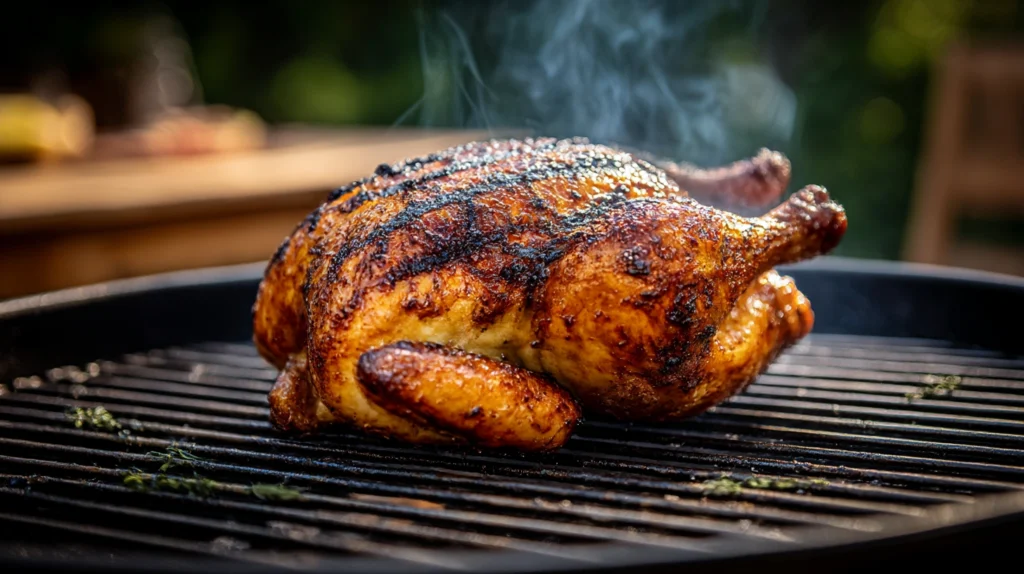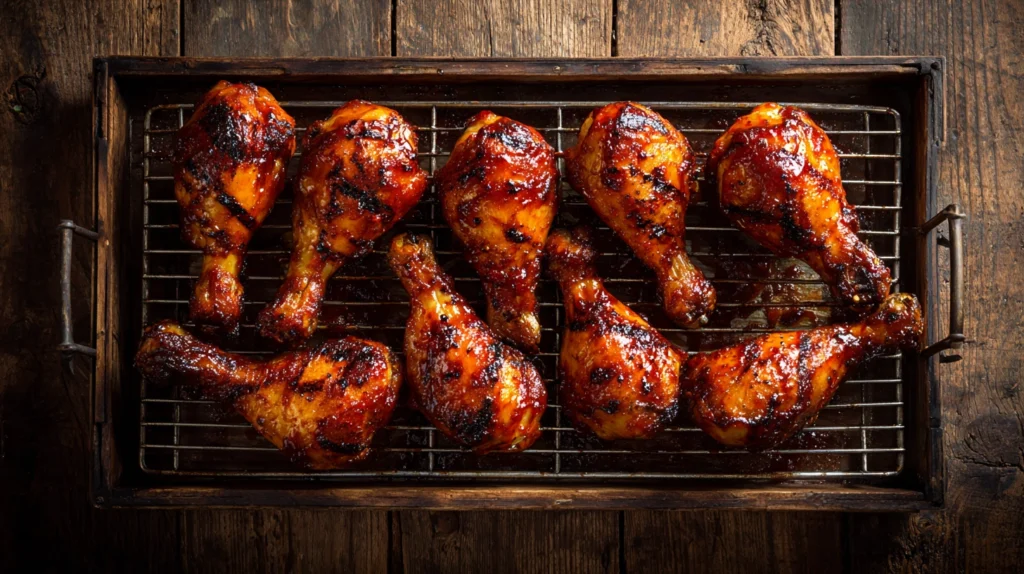
Can You BBQ Frozen Chicken? Safety Tips How to Do It Right
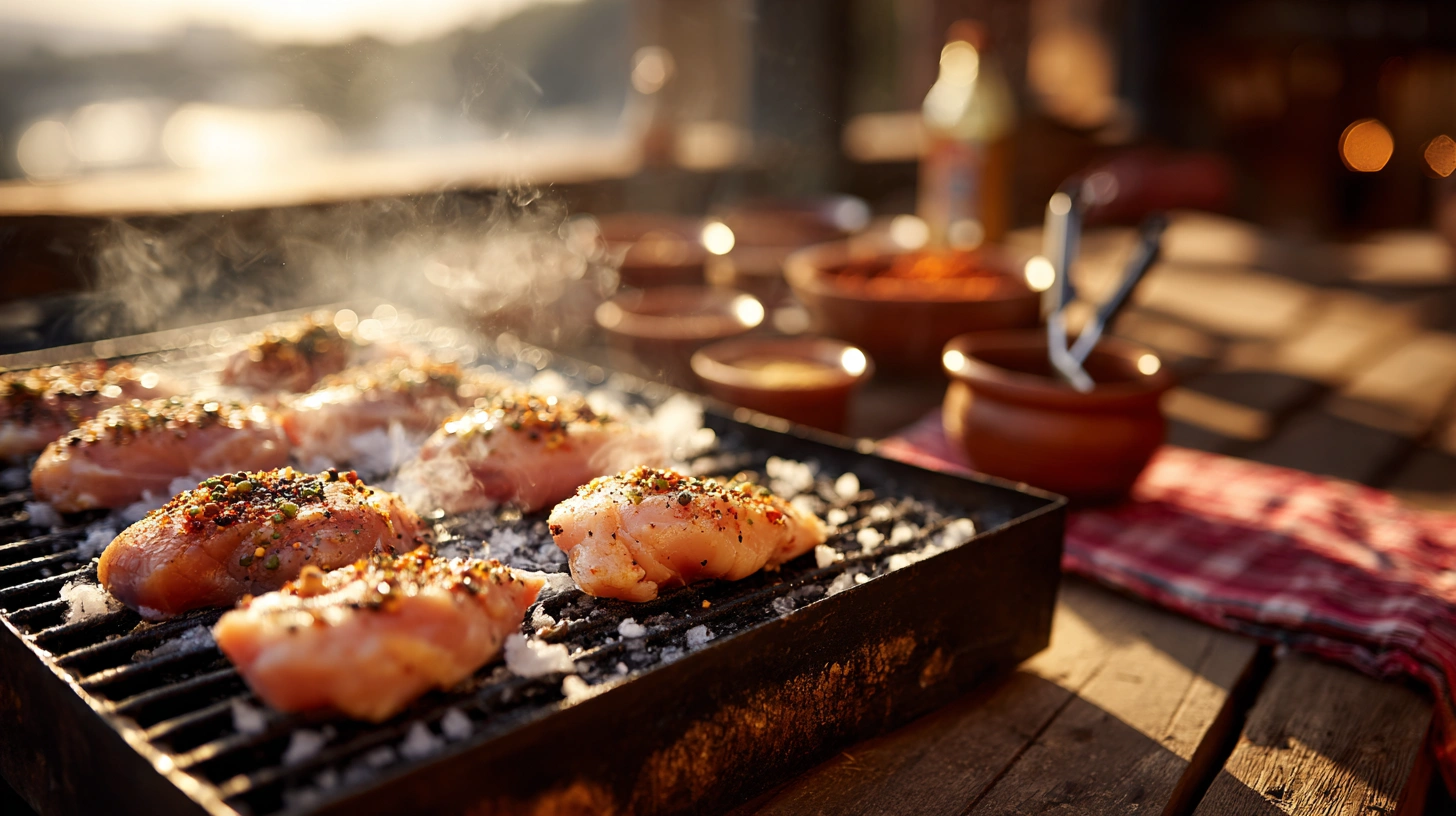
Alright, let’s talk about one of the most common questions I get from backyard grillers, and honestly, it’s a question I used to wonder about myself back in the day: can you BBQ frozen chicken? The short answer? Yes, you absolutely can. But—and this is a big but—there’s a right way and a very, very wrong way to do it.
I remember the first time I tossed a rock-solid frozen chicken breast onto my grill. I was maybe 25, hosting a cookout for some buddies, and I’d completely forgotten to thaw the chicken the night before. Classic rookie move. So I figured, hey, how bad could it be? Turns out, it can be pretty bad. The outside charred up like a piece of coal while the inside was still basically an ice cube. My friends still bring it up at every gathering. Thanks, guys.
But here’s the thing—that disaster taught me a lot. And over the past two decades of standing over smokers and grills, I’ve figured out exactly how to make frozen chicken work on the BBQ. Not just “work,” but actually turn out juicy, flavorful, and perfectly safe to eat. So grab a cold drink and let me walk you through everything you need to know.
Is It Safe to BBQ Frozen Chicken?
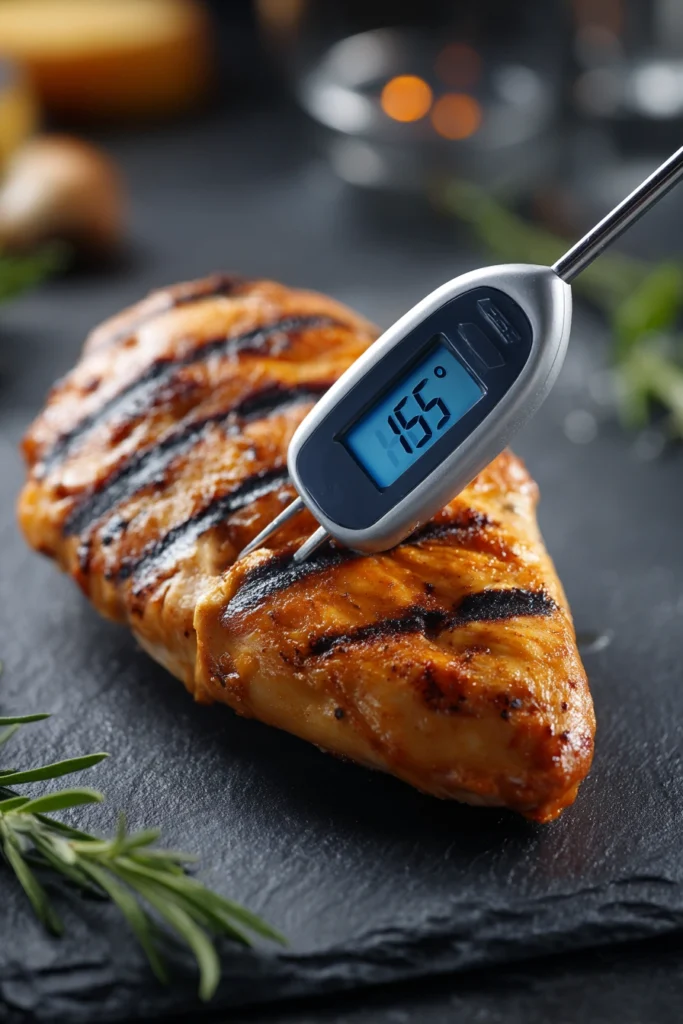
First things first, let’s address the safety elephant in the room. According to the USDA, cooking frozen meat—including chicken—is perfectly safe. You don’t have to thaw it first. The catch is that it’s going to take roughly 50% longer to cook than thawed chicken, and you need to be absolutely sure you’re hitting the right internal temperature.
And that magic number, my friends, is 165°F (74°C) at the thickest part of the meat. No exceptions. No “it looks done to me.” No cutting it open and eyeballing it. Get yourself a good instant-read meat thermometer. Seriously, if you don’t own one yet, stop reading this article and go buy one. I’ll wait. It’s the single most important tool in your grilling arsenal, and I’m not exaggerating.
The Danger Zone: What You Need to Know
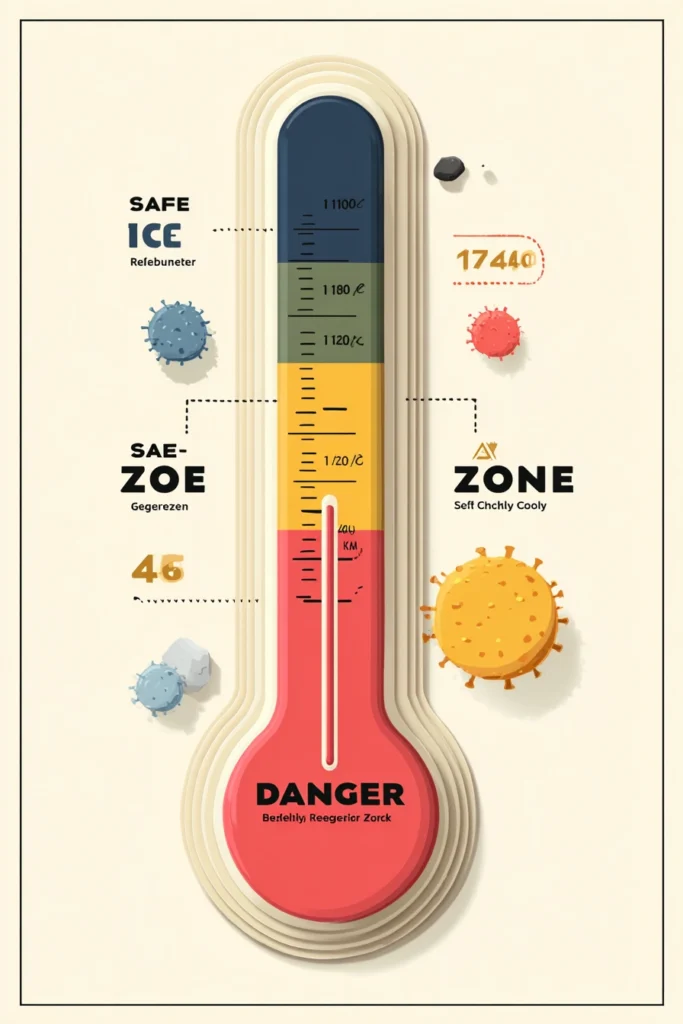
Here’s where a lot of folks get tripped up. The “danger zone” for bacteria growth on poultry is between 40°F and 140°F (4°C to 60°C). When you’re grilling frozen chicken, the outside of the meat can sit in this temperature range for a while as the inside slowly thaws. That’s why technique matters so much.
The key is controlled, indirect heat. You don’t want to blast frozen chicken with high direct flame. That’s exactly how you end up with my 25-year-old self’s charcoal-outside, ice-inside nightmare. Instead, you want to bring the temperature up gradually and evenly. More on that in a minute.
Safety Quick-Reference Table
| Safety Factor | Guideline | Why It Matters |
| Internal Temp | 165°F (74°C) | Kills harmful bacteria like Salmonella |
| Danger Zone | 40°F–140°F | Bacteria multiply rapidly in this range |
| Extra Cook Time | ~50% longer | Frozen meat takes longer to reach safe temp |
| Thermometer | Instant-read type | Only reliable way to confirm doneness |
| Rest Time | 5–10 minutes | Allows juices to redistribute evenly |
What Types of Frozen Chicken Work Best on the Grill?
Now, not all frozen chicken is created equal when it comes to grilling. Let me break down what works and what’s going to give you a headache.
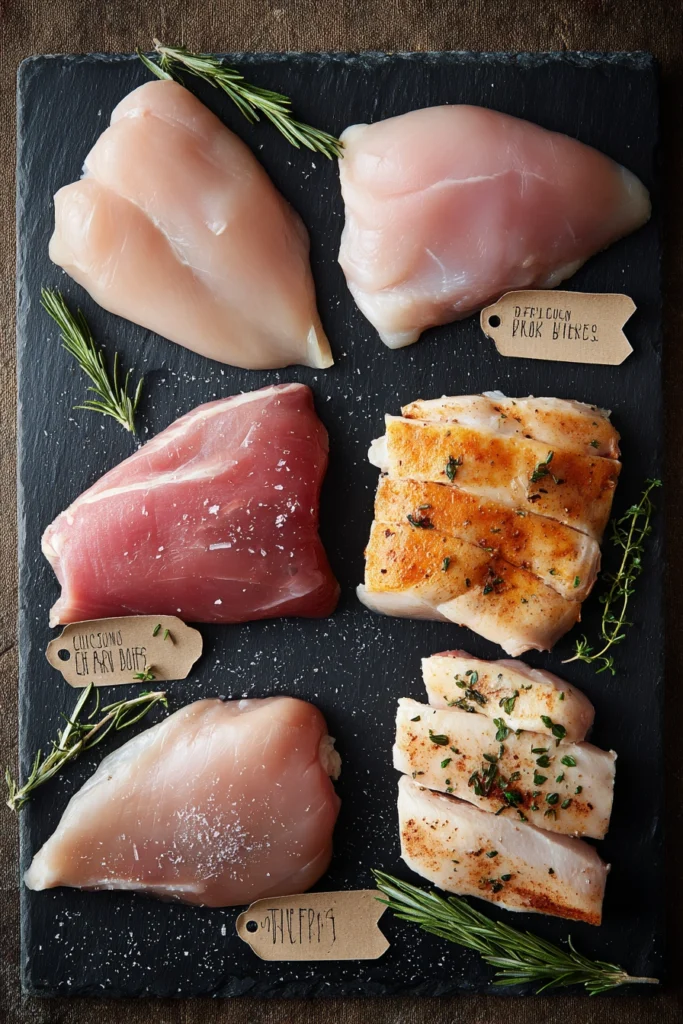
Best Choices for Grilling from Frozen
- Boneless, skinless chicken breasts: These are your best bet. They’re uniform in shape (usually), cook relatively evenly, and are the most forgiving when starting from frozen.
- Chicken thighs (boneless): Thighs have more fat content, which means they’re more forgiving if you overshoot the cook time a little. The extra fat keeps them moist.
- Chicken tenders/strips: Their thin profile means they thaw and cook faster. Great for a quick weeknight grill session.
- Pre-marinated frozen chicken: Some brands sell chicken that’s been marinated before freezing. These can work surprisingly well because the marinade penetrates as the chicken thaws on the grill.
What to Avoid
Whole frozen chickens? Please don’t. Bone-in, skin-on pieces like drumsticks and wings from frozen are also tricky—the bone slows down heat transfer to the center, and the skin won’t crisp properly. You’ll end up with rubbery skin and questionable doneness near the bone. If you’ve got bone-in pieces, I’d really encourage you to thaw them first, even a quick cold-water thaw will make a world of difference.
Equipment You’ll Need
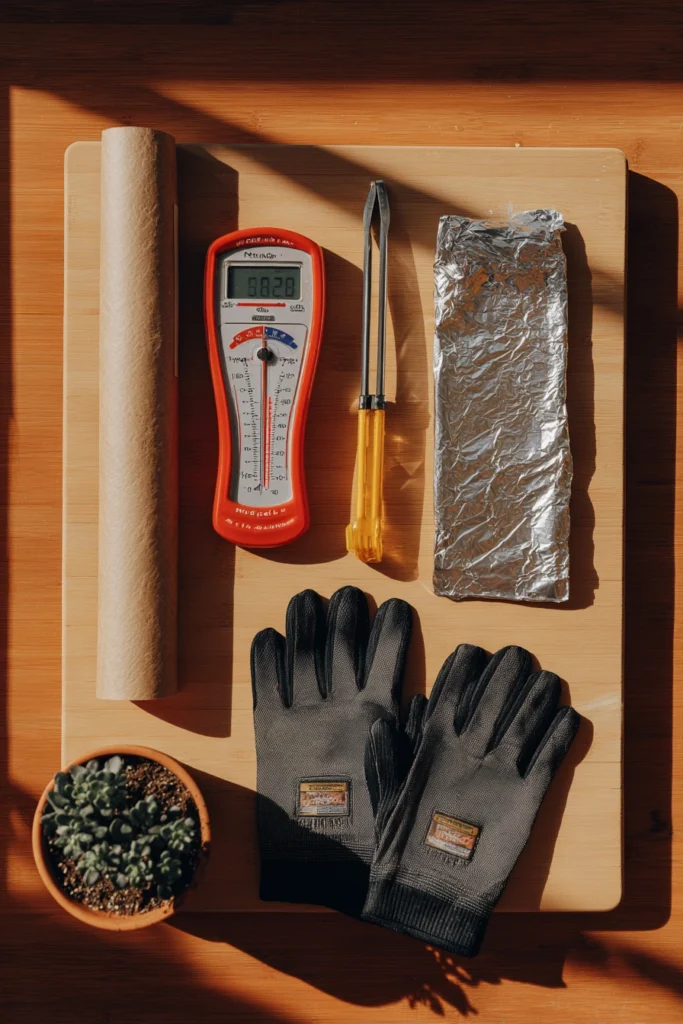
Before we get into the how-to, let’s make sure your setup is right. You don’t need anything fancy—most of this stuff you probably already have.
| Equipment | Why You Need It | Pro Tip |
| Instant-read thermometer | Non-negotiable for food safety | Invest in a digital one with a thin probe |
| Two-zone grill setup | Indirect heat for even cooking | Coals on one side, chicken on the other |
| Grill lid | Traps heat, creates oven effect | Keep it closed as much as possible |
| Long-handled tongs | Safe handling of frozen pieces | Avoid forks—they pierce the meat and release juices |
| Aluminum foil | For tenting and resting | Also handy for creating a foil packet method |
Step-by-Step: How to BBQ Frozen Chicken the Right Way
Okay, this is the part you’ve been waiting for. Let me walk you through my tried-and-true method for grilling frozen chicken. I’ve refined this over hundreds—maybe thousands—of cooks, and it works every single time.
Step 1: Set Up a Two-Zone Fire
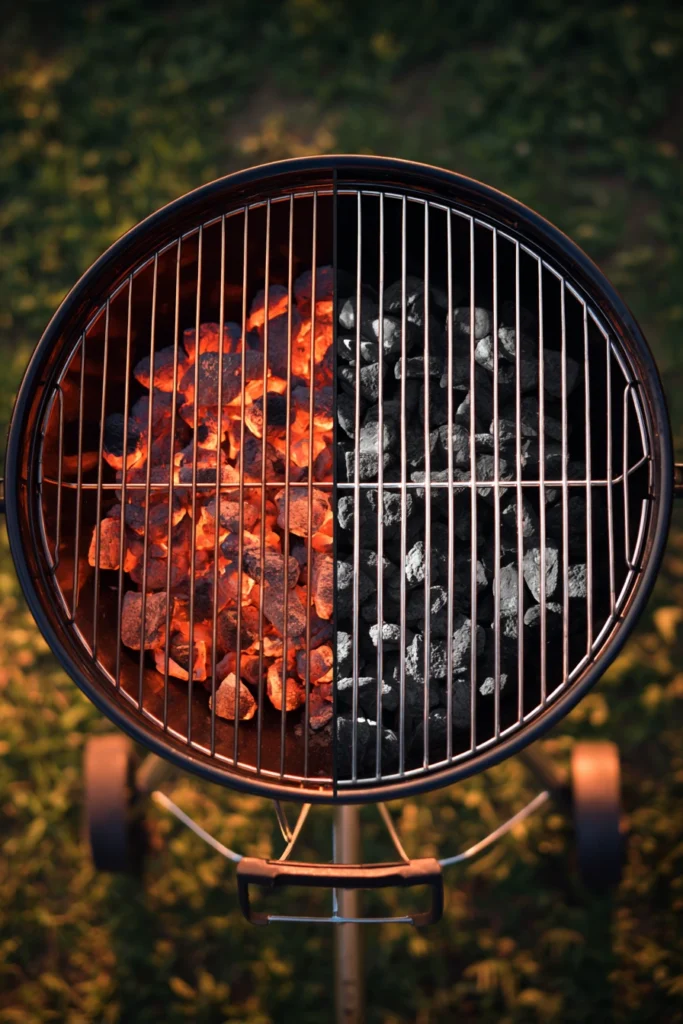
This is the single most important step, so pay attention. Whether you’re using charcoal or gas, you need to create two heat zones on your grill. One side is your hot zone (direct heat, around 400–450°F), and the other side is your cool zone (indirect heat, around 300–325°F).
On a charcoal grill, just push all your coals to one side. On gas, light the burners on one side and leave the other side off. Easy.
Step 2: Start Low and Slow on the Indirect Side
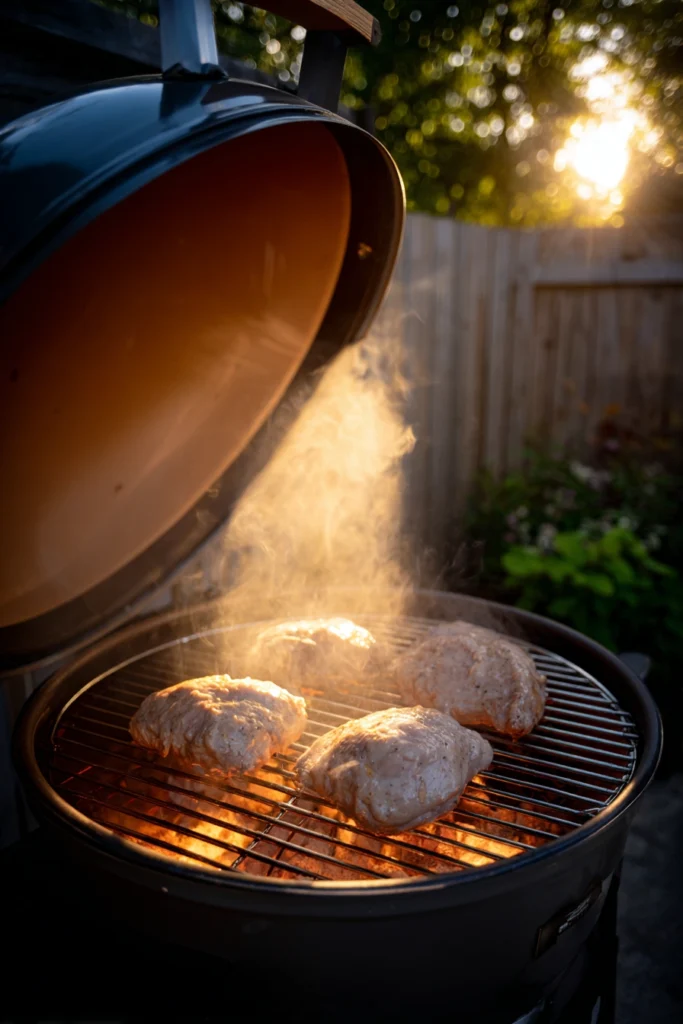
Place your frozen chicken on the cool side of the grill, close the lid, and let it cook for about 15–20 minutes. What’s happening here is the ambient heat inside the grill is gently thawing and beginning to cook the chicken from the outside in. No flare-ups, no charring, just nice steady heat doing its thing.
I know it’s tempting to peek. Don’t. Every time you lift that lid, you lose heat and add time. In my world, we say: “If you’re lookin’, you ain’t cookin’.”
Step 3: Season When the Surface Thaws
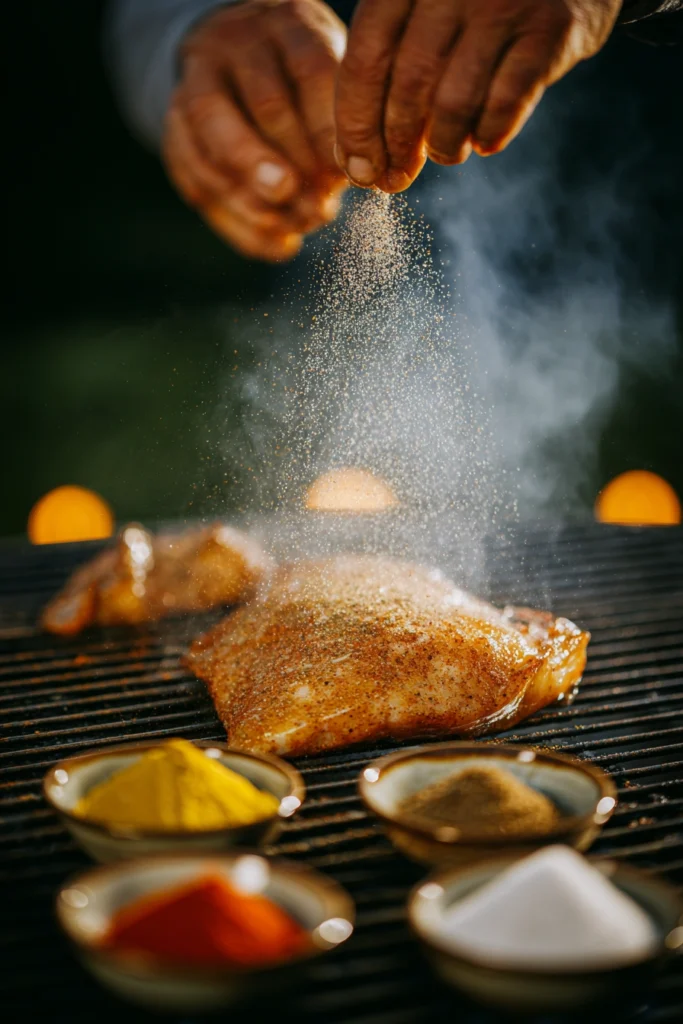
After about 15–20 minutes, the outside of the chicken should be thawed enough that seasonings will actually stick. This is when I hit it with my rub or sauce. Trying to season rock-hard frozen meat is pointless—everything just slides right off. So in my experience, patience here is what separates a good cook from a great one.
My Go-To Quick Rub for Frozen Chicken
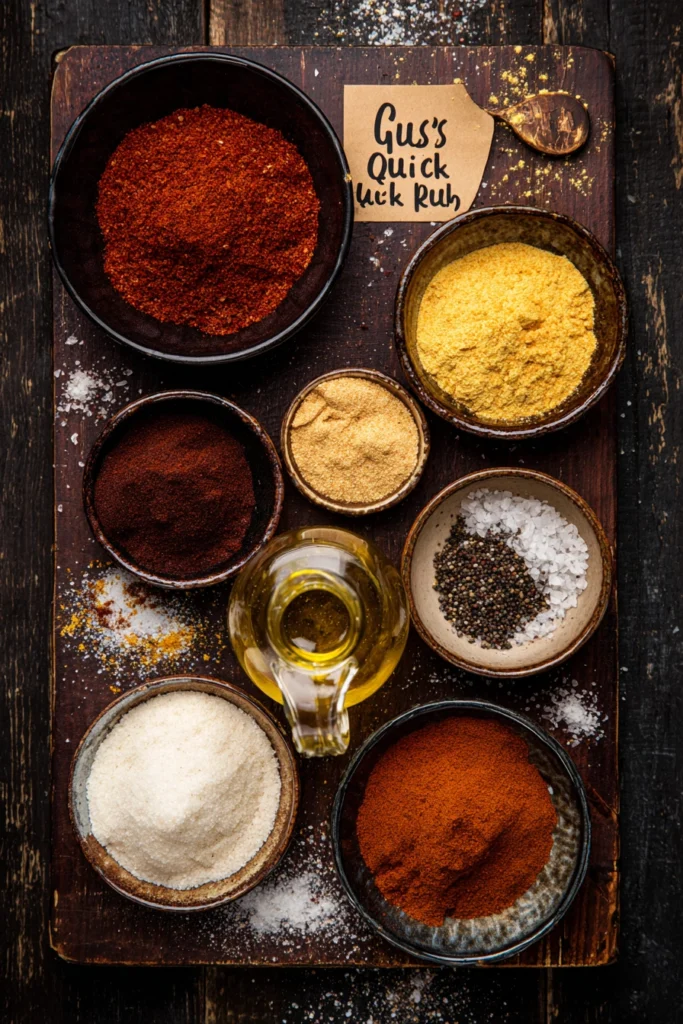
| Ingredient | Amount |
| Smoked paprika | 2 tablespoons |
| Garlic powder | 1 tablespoon |
| Onion powder | 1 tablespoon |
| Brown sugar | 1 tablespoon |
| Kosher salt | 1 teaspoon |
| Black pepper | 1 teaspoon |
| Cayenne pepper (optional) | ½ teaspoon |
| Olive oil (for binding) | 1–2 tablespoons |
Mix the dry ingredients together in a bowl, drizzle the olive oil over the partially thawed chicken, then coat generously with the rub. The olive oil helps the spices adhere and promotes better browning when you move to direct heat. Trust me on the brown sugar—it adds a subtle sweetness that plays beautifully with the smoke.
Step 4: Move to Direct Heat for the Finish
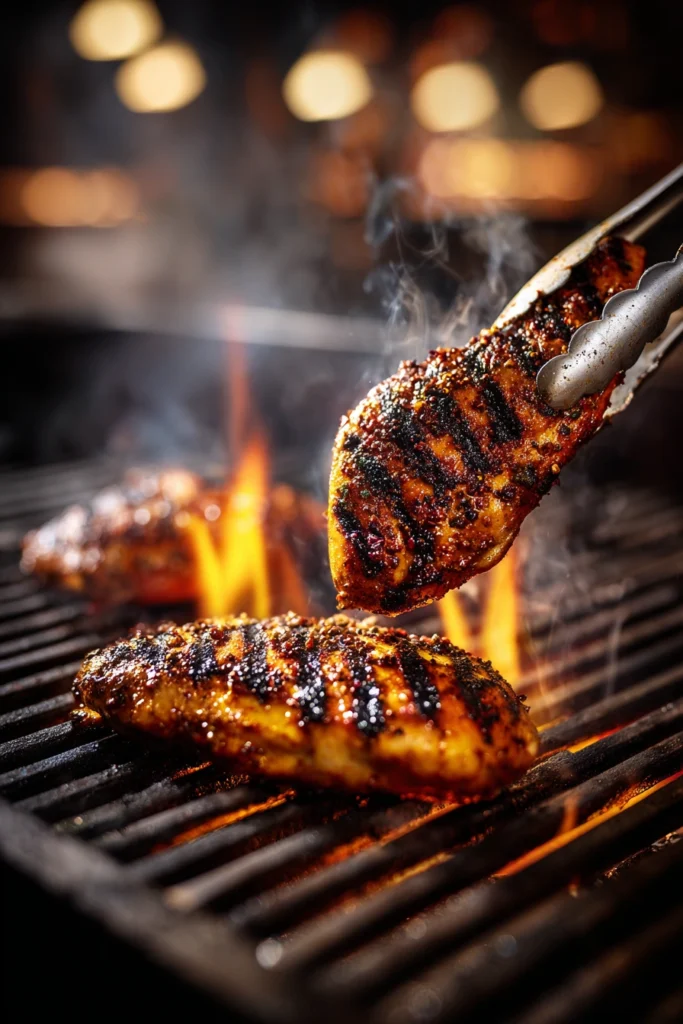
Once the internal temperature hits about 140°F, it’s time to move the chicken over to the hot side for the final sear. This is where you get those gorgeous grill marks and that caramelized exterior. Cook for about 3–5 minutes per side, keeping a close eye on things. Flare-ups can happen fast, especially if you’ve used an oil-based rub.
Step 5: Check the Temperature and Rest
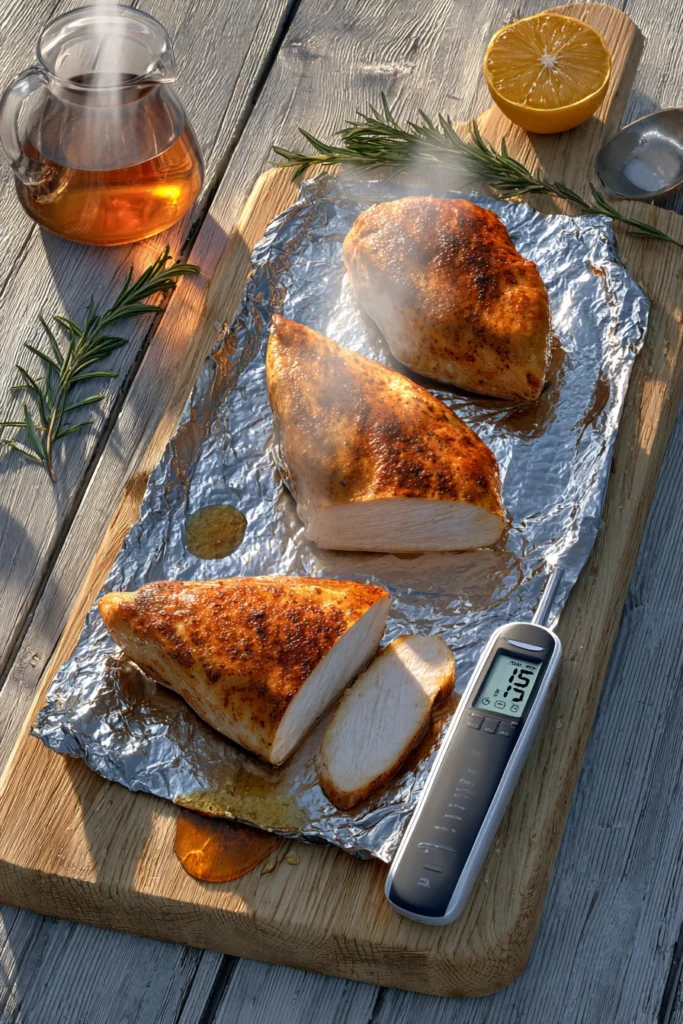
Pull the chicken off the grill when your thermometer reads 163°F—it’ll carry over to 165°F while resting. Tent it loosely with aluminum foil and let it sit for 5–10 minutes. I cannot stress this enough: resting is not optional. Those juices need time to redistribute throughout the meat. If you cut into it right away, all that beautiful moisture ends up on your cutting board instead of in your mouth. And nobody wants that.
Frozen Chicken Grilling Times at a Glance
Here’s a handy reference chart I keep taped inside my grill station. These are approximate times for boneless cuts cooked using the two-zone method. Actual times will vary based on thickness and your specific grill, so always—always—verify with a thermometer.
| Cut | Thickness | Indirect Time | Direct Sear |
| Breast | ¾–1 inch | 20–25 min | 3–5 min/side |
| Thigh (boneless) | ½–¾ inch | 15–20 min | 3–4 min/side |
| Tenders | ½ inch | 10–15 min | 2–3 min/side |
| Thin-sliced breast | ¼–½ inch | 8–12 min | 2 min/side |
Common Mistakes to Avoid
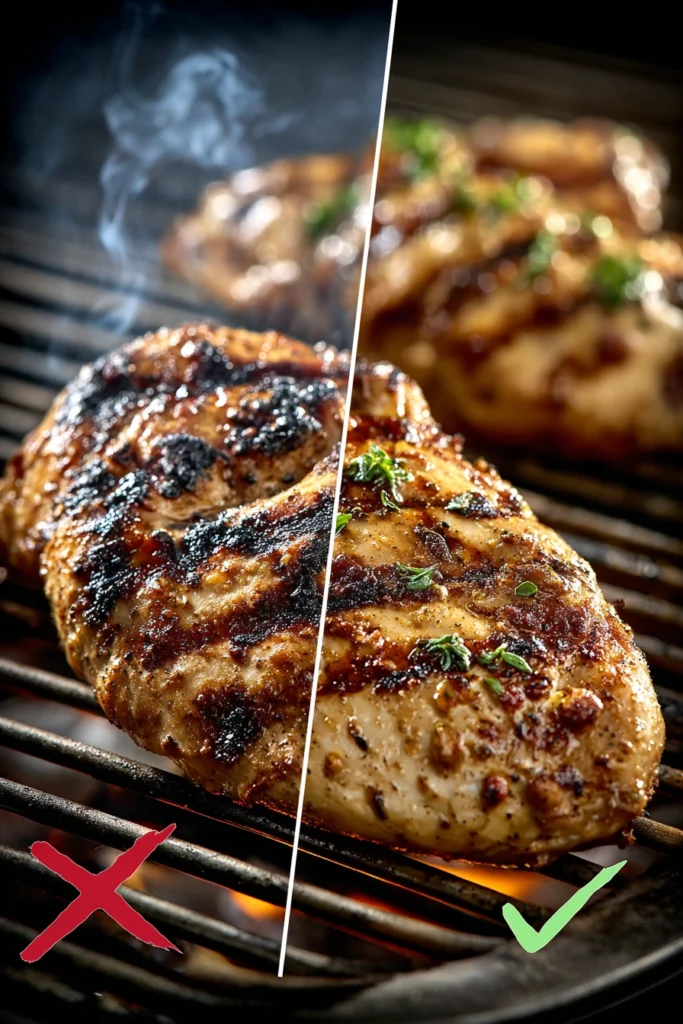
I’ve seen (and made) just about every mistake in the book when it comes to grilling frozen chicken. Let me save you some pain.
- Cranking the heat to max. I get the logic—“it’s frozen, so I need more heat.” Nope. High direct heat on frozen chicken is a recipe for a burnt exterior and raw interior. Patience is your friend here.
- Not using a thermometer. I’ve said it once, I’ll say it a hundred times. You cannot tell if frozen chicken is done by looking at it, poking it, or doing the “feel test.” Get a thermometer. Use it.
- Seasoning too early. Rubs and marinades slide right off frozen surfaces. Wait until the exterior has thawed before applying.
- Skipping the rest. Five minutes of resting can mean the difference between juicy and dry. Don’t skip it.
- Using a fork to flip. Forks puncture the meat and let all those precious juices escape. Use tongs. Always tongs.
Pro Tips from Twenty Years Behind the Grill
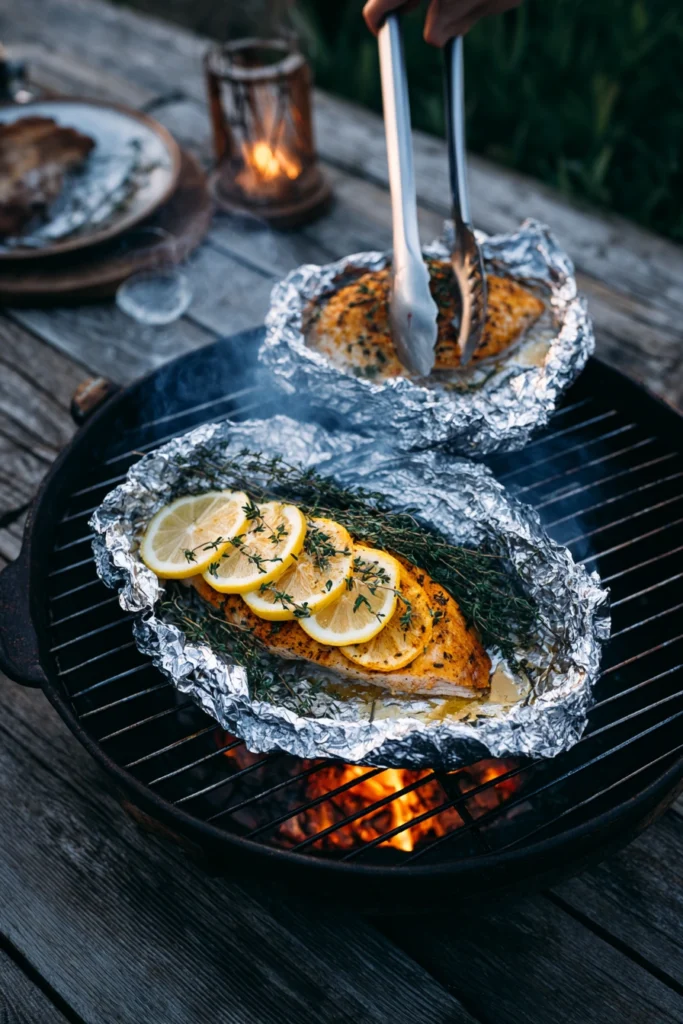
Alright, let me share some tricks that don’t usually make it into the standard advice columns. These are the things I’ve picked up from years of competition barbecue and running my restaurant kitchen.
The Foil Packet Hack
If you’re really worried about uneven cooking, try this: wrap your frozen chicken pieces individually in aluminum foil with a tablespoon of butter and your seasoning. Place the packets on the indirect side for 20 minutes, then unwrap and finish directly on the grate for that sear. The foil creates a little steam oven that thaws and cooks the chicken more evenly. It’s not traditional BBQ purist stuff, but it works like a charm for weeknight dinners.
The BBQ Sauce Timing Rule
Anyway, one thing that drives me absolutely crazy is when I see people slathering BBQ sauce on chicken too early. Sugar-based sauces burn. That’s just what they do. Only apply your sauce during the last 5–10 minutes of cooking, and do it in thin layers. Two thin coats beat one thick glob every time. The sauce should caramelize, not carbonize.
Brine Before You Freeze (Planning Ahead)
Here’s a game-changer for those of you who do meal prep: brine your chicken before you freeze it. A simple brine of 4 cups of water, ¼ cup of kosher salt, and 2 tablespoons of sugar, with the chicken soaking for 30 minutes to an hour before freezing, will dramatically improve the moisture and flavor of your final product. The brine gets locked in during freezing and seasons the meat all the way through as it thaws and cooks. It’s like having a secret weapon that nobody can figure out.
Frozen vs. Thawed: Does It Really Matter?
Look, in a perfect world, you’d always plan ahead and thaw your chicken properly—in the fridge overnight, ideally. Thawed chicken is easier to season, cooks more predictably, and gives you more control. But we don’t live in a perfect world. We live in a world where you get home at 6 PM, realize you forgot to thaw dinner, and have hungry kids staring at you.
So does it matter? For competition-level barbecue, yes. For a Tuesday night dinner where you just need good, safe, tasty grilled chicken on the table? Not as much as you’d think. Follow the steps I’ve laid out, and I promise you’ll be surprised at how good frozen-to-grill chicken can be.
Frozen vs. Thawed: Quick Comparison
| Factor | Frozen | Thawed |
| Cook Time | ~50% longer | Standard |
| Seasoning | Apply mid-cook | Apply anytime before/during |
| Moisture | Very good (ice helps baste) | Excellent |
| Ease | Moderate—requires two-zone | Easy—straightforward grilling |
| Flavor Depth | Good with proper rub/sauce | Better—more time for marinades |
A Complete Frozen Chicken BBQ Recipe
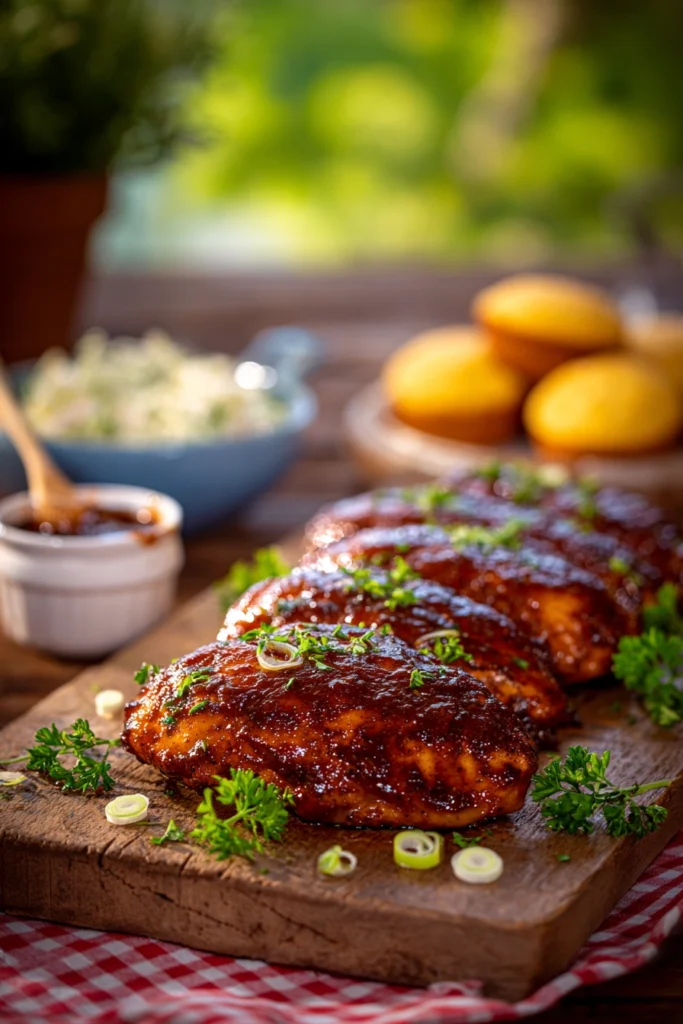
Let me put it all together with a complete recipe you can follow start to finish. This is my “Forgot to Thaw” Smoky BBQ Chicken that I make at home probably twice a month.
“Forgot to Thaw” Smoky BBQ Chicken
Ingredients
- 4 frozen boneless, skinless chicken breasts (about 6–8 oz each)
- 2 tablespoons olive oil
- Gus’s Quick Rub (see recipe above)
- 1 cup your favorite BBQ sauce
- 1 tablespoon apple cider vinegar
- 1 tablespoon honey
Instructions
- Prep your grill. Set up a two-zone fire. Target 300–325°F on the indirect side.
- Place frozen chicken on indirect side. Close the lid and cook for 15–20 minutes.
- Season up. Brush the partially thawed chicken with olive oil and coat with Gus’s Quick Rub. Return to indirect heat, lid closed, for another 10–15 minutes.
- Make the glaze. Mix your BBQ sauce with apple cider vinegar and honey. This thins it out slightly and adds complexity.
- Sear and glaze. When the internal temp hits 140°F, move chicken to direct heat. Brush with glaze, flip after 3–4 minutes, glaze the other side.
- Check and pull. Remove chicken at 163°F internal temp.
- Rest. Tent with foil and rest for 5–10 minutes. Slice, serve, and accept the compliments.
Total cook time from frozen: approximately 35–45 minutes. Serves 4.
Frequently Asked Questions
Can you BBQ frozen chicken wings?
Technically, yes, but I’d advise against it. Wings are small, bone-in, and have skin that needs to crisp. Starting from frozen usually means soggy skin and uneven cooking around the bone. If you’re in a pinch, a quick cold-water thaw (about 15 minutes in cold running water) works wonders for wings.
Can I use a marinade on frozen chicken?
Not effectively. Marinades need to penetrate the surface of the meat, and a frozen surface is basically a wall. Your best bet is to brine before freezing (see my tip above) or season with a rub once the exterior has thawed on the grill.
Is grilling frozen chicken healthier than thawing first?
There’s no significant nutritional difference either way. The main consideration is safety—reaching that 165°F internal temp—not nutrition. Cook it properly and you’re good.
What if my chicken pieces are stuck together in the bag?
This happens all the time. Don’t try to pry them apart with a knife—that’s a trip to the emergency room waiting to happen. Place the clump on the indirect side of the grill, and after about 10 minutes, they’ll separate easily with tongs. Crisis averted.
Fire It Up with Confidence
So, can you BBQ frozen chicken? Absolutely, positively, without a doubt—yes. Is it ideal? Maybe not in a perfect world. But with the right technique, a two-zone setup, a reliable thermometer, and a little patience, you can turn a freezer emergency into a meal that’ll have your family and friends thinking you planned it all along.
I’ve been doing this for over twenty years, and some of the best meals I’ve ever served started as a “whoops, forgot to thaw” moment. Barbecue isn’t about perfection—it’s about making something delicious out of whatever situation you’re handed. And frozen chicken is just another situation.
Now get out there, fire up that grill, and show that frozen chicken who’s boss. I believe in you.
About The Author