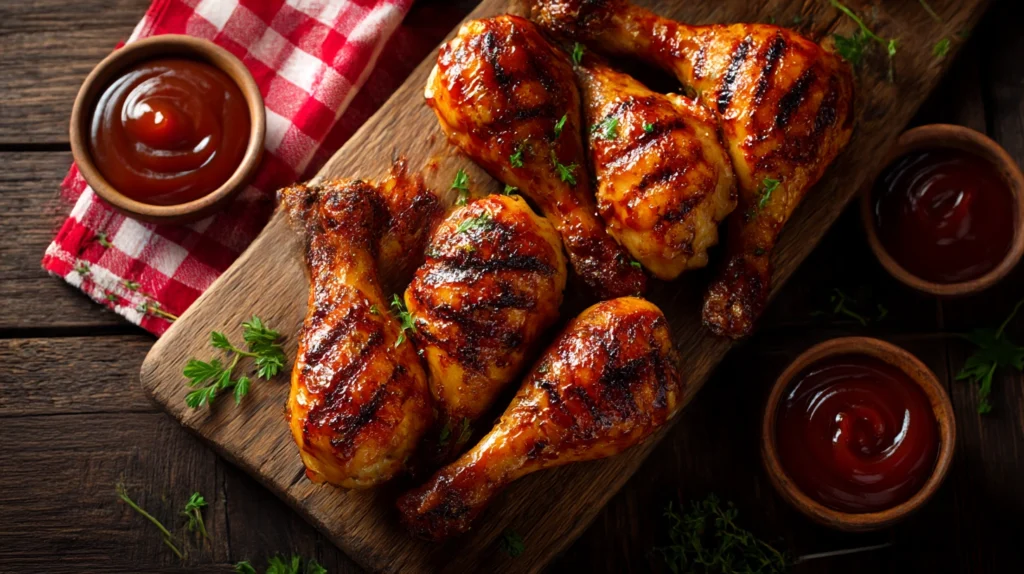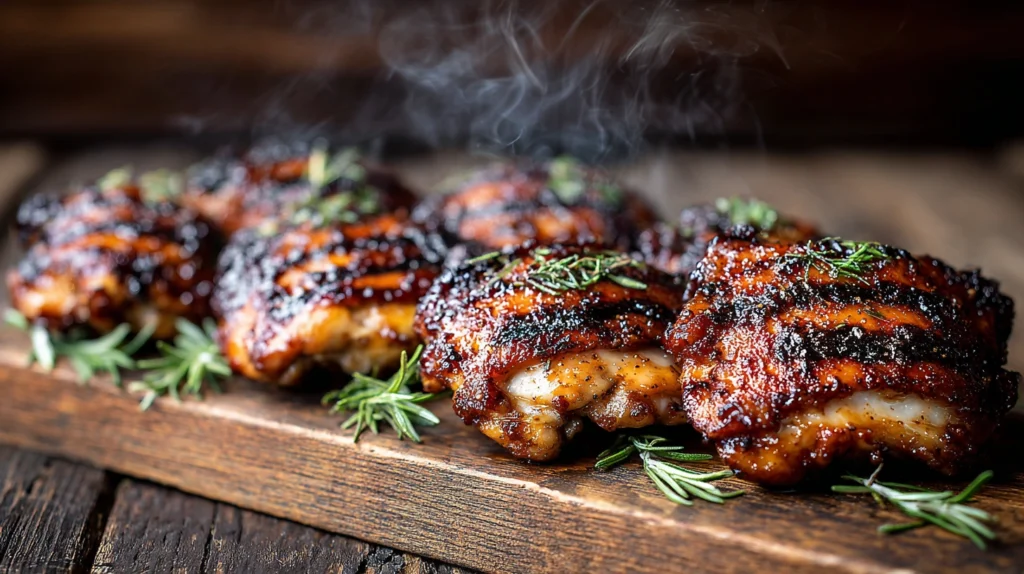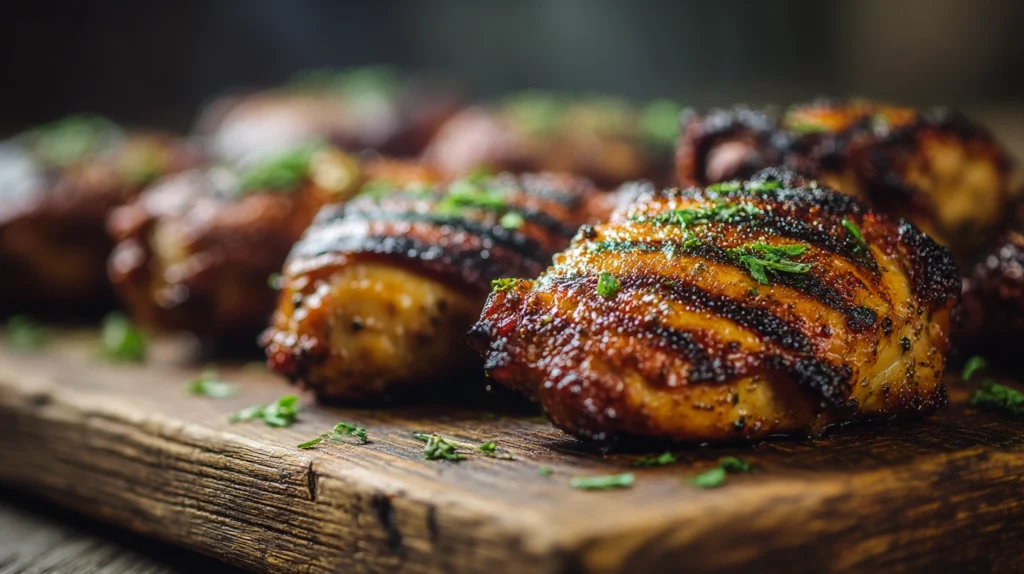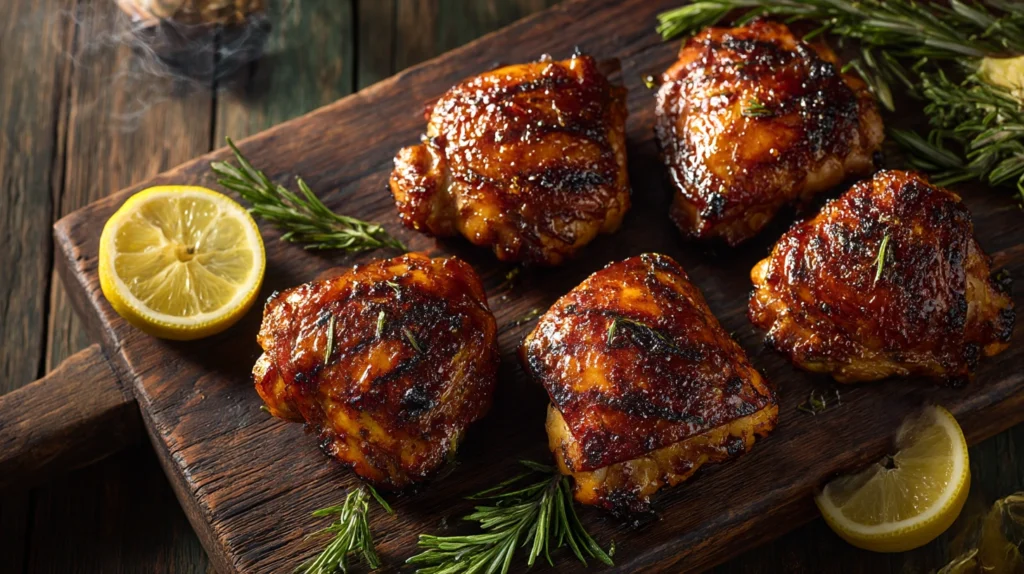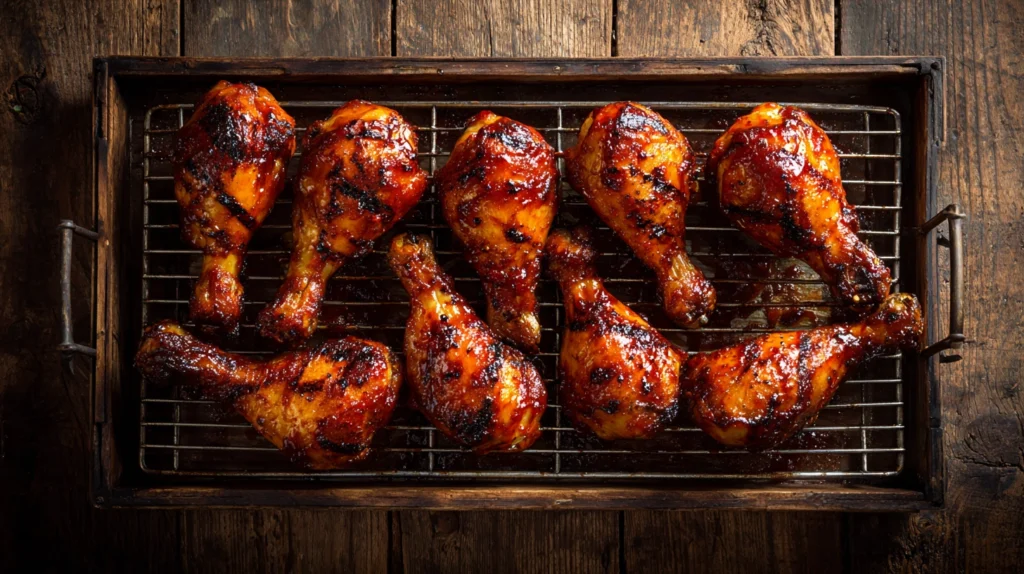
How Long to BBQ Bone-In Chicken Thighs The Complete Time Temp Guide
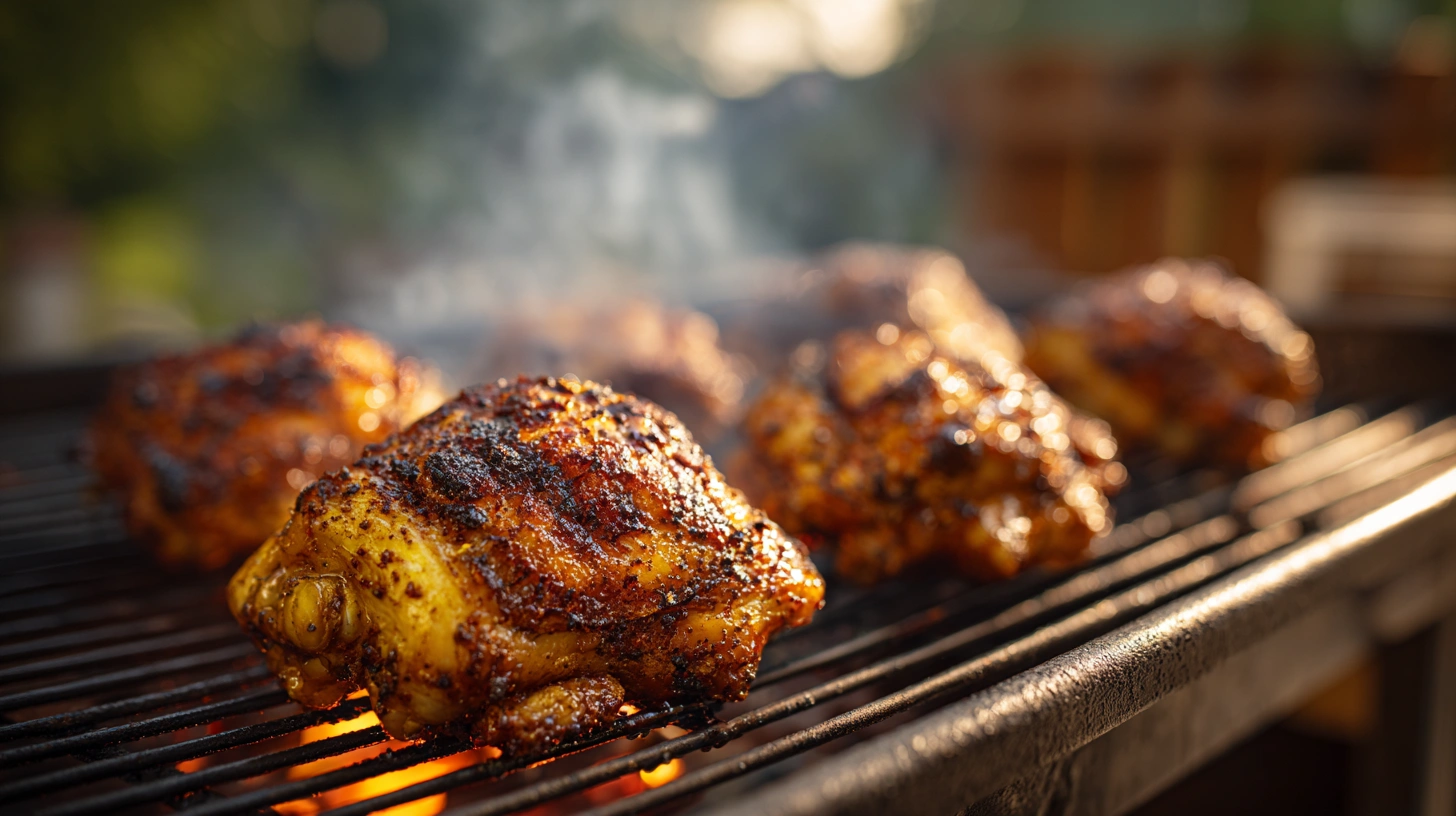
If there’s one question I hear more than any other at competitions, at the restaurant, even at my own backyard cookouts, it’s this: “How long do I BBQ bone-in chicken thighs?” And honestly? I get it. Chicken thighs can be the most rewarding cut on the grill—or the most frustrating, if you don’t know the rules.
I’ve been grilling bone-in thighs for over twenty years, and I still remember the first time I served a batch that looked gorgeous on the outside but was pink and raw near the bone. My buddy Dave took one bite, gave me that look, and I wanted to crawl into my own smoker. So trust me when I say: I’ve made the mistakes so you don’t have to.
Here’s the thing—bone-in chicken thighs are actually incredibly forgiving once you understand the relationship between time and temperature. They’ve got more fat and connective tissue than breasts, which means they can handle a bit more heat and a longer cook without drying out. That’s exactly why they’re my go-to for backyard barbecue. But “forgiving” doesn’t mean “foolproof,” so let’s break down everything you need to know.
The Quick Answer: How Long to BBQ Chicken Thighs Bone In
For the folks who just need the fast answer and want to get back to the grill (I respect that energy): BBQ bone-in chicken thighs at 350–375°F for 35 to 45 minutes, flipping once halfway through, until the internal temperature reaches 185–190°F. Yes, I said 185–190°F, not the FDA minimum of 165°F. I’ll explain why in a minute.
Now, if you’re still with me and want to understand the why behind the numbers—and how to adjust for different setups—keep reading. This is where it gets good.
BBQ Bone-In Chicken Thighs: Complete Time & Temperature Chart
I put together this chart based on my own experience and tested across charcoal, gas, and pellet grills. Think of it as your cheat sheet.
| Grill Temp | Cook Time | Target IT | Flip At | Best For |
| 275–300°F (Low & Slow) | 50–65 min | 185–190°F | 30 min | Smoky, tender |
| 325–350°F (Medium) | 40–50 min | 185–190°F | 20–25 min | Balanced flavor |
| 350–375°F (Recommended) | 35–45 min | 185–190°F | 18–22 min | Crispy skin, juicy |
| 400–425°F (Hot & Fast) | 25–35 min | 185°F | 12–15 min | Extra crispy skin |
Grill Master Tip: These times assume thighs weighing 5–7 oz each. Jumbo thighs (8 oz+) may need an extra 5–10 minutes. Always trust your thermometer over a timer.
Why I Pull Chicken Thighs at 185–190°F, Not 165°F
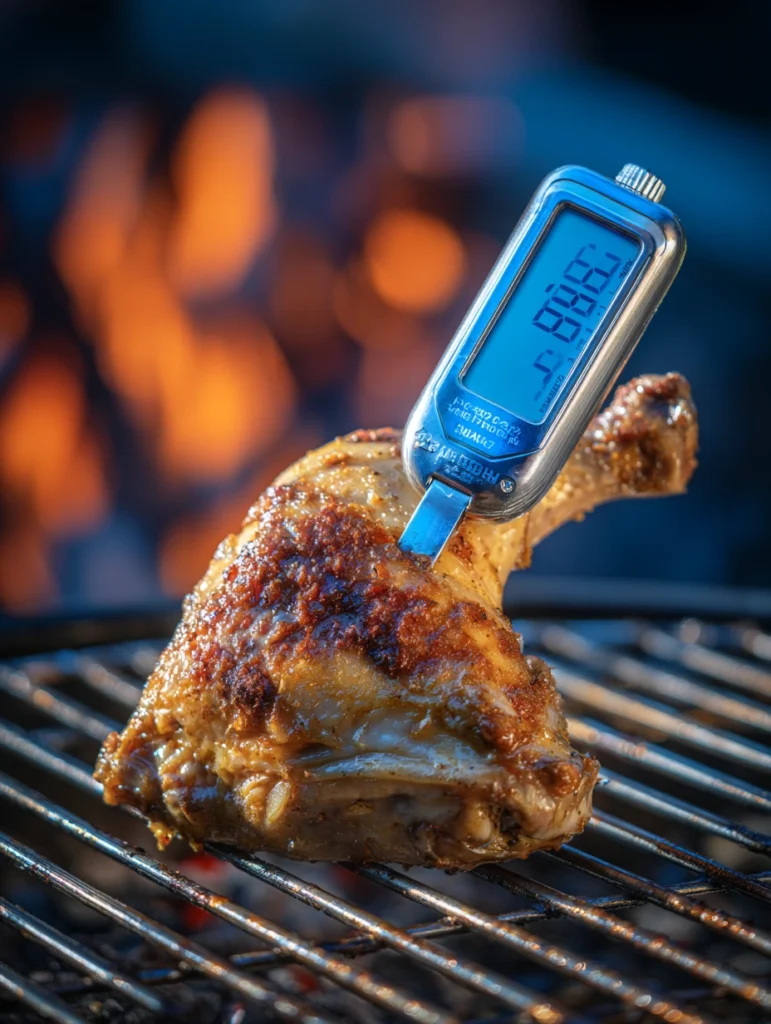
Okay, so here’s where I might sound like a rebel. The USDA says chicken is safe at 165°F. And they’re absolutely right—from a food safety standpoint. But food safety and food quality are two different conversations.
Bone-in chicken thighs are loaded with collagen and connective tissue, especially around the joint. That collagen doesn’t really start breaking down and turning into gelatin until you push past 170°F. If you pull thighs at exactly 165°F, you’ll likely get meat that’s safe to eat but chewy and a bit tough near the bone. Not the experience we’re after.
At 185–190°F, that collagen has melted into silky gelatin, the meat is fall-off-the-bone tender, and the fat has rendered beautifully. It’s the difference between chicken that’s technically done and chicken that makes your neighbors ask for the recipe. And because thighs have so much more fat than breasts, they stay incredibly juicy even at these higher temps. It’s the beauty of dark meat, my friends.
Step-by-Step: How to BBQ Bone-In Chicken Thighs Perfectly
Alright, let me walk you through my exact process. This is what I do at the restaurant, scaled down for the backyard warrior.
Step 1: Prep Your Thighs (Don’t Skip This)
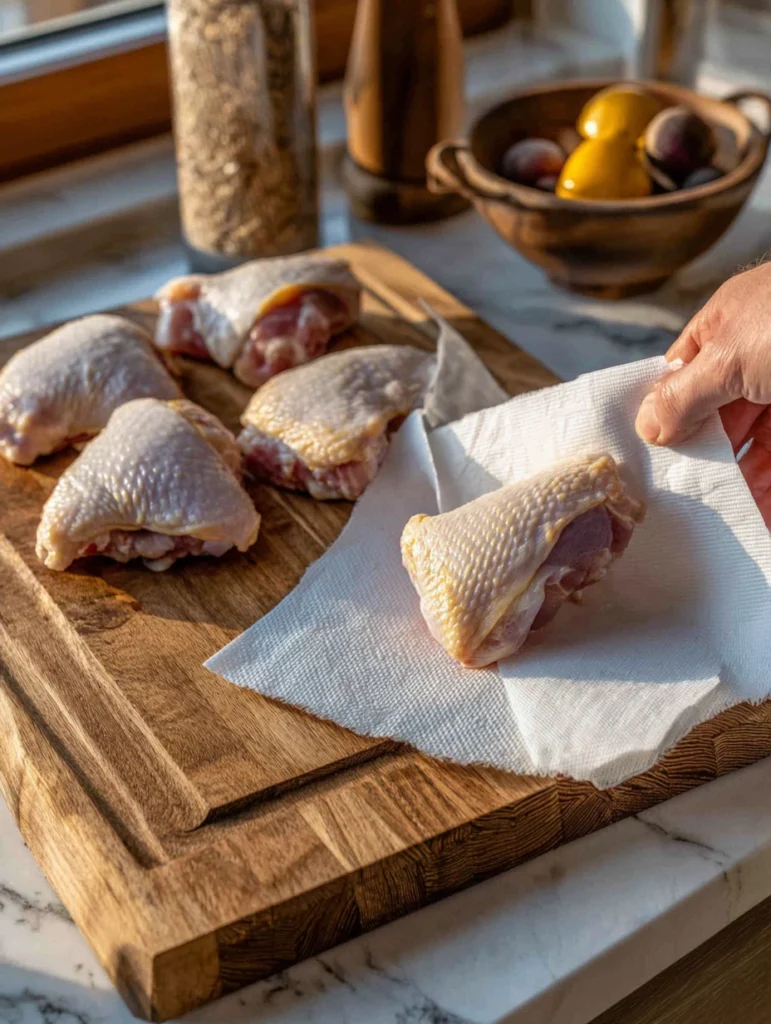
Pull your chicken thighs out of the fridge about 30 minutes before grilling. I know, I know—everyone’s in a hurry. But cold meat on a hot grill is a recipe for uneven cooking. That extra half hour of tempering makes a real difference in how evenly the heat penetrates.
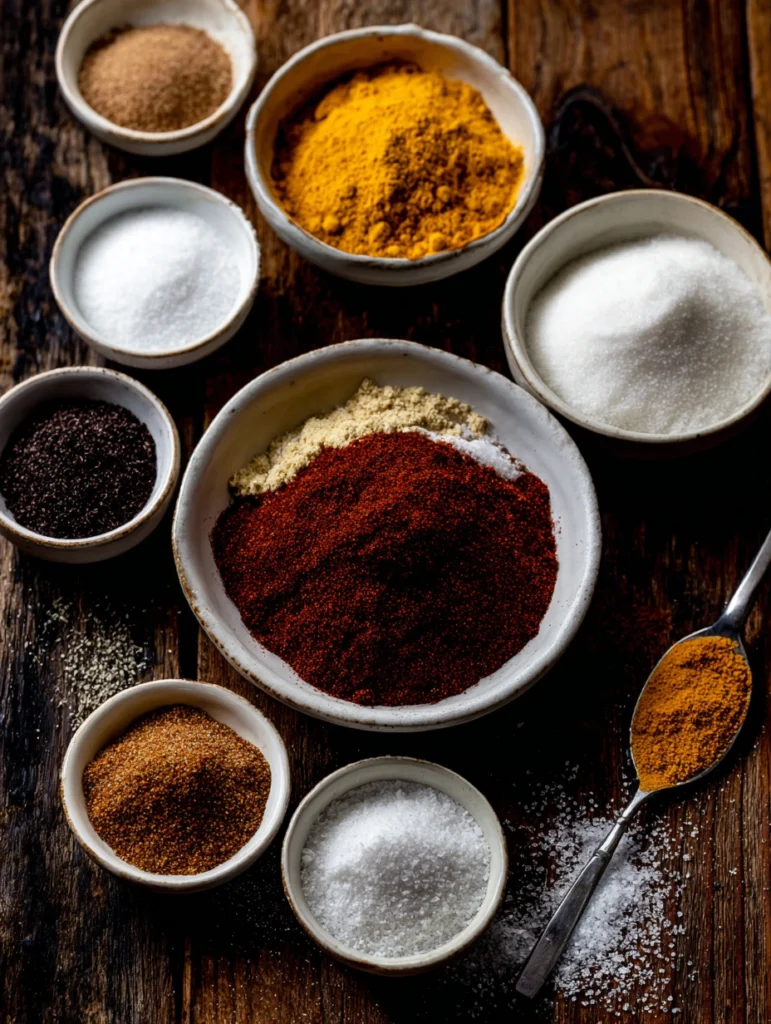
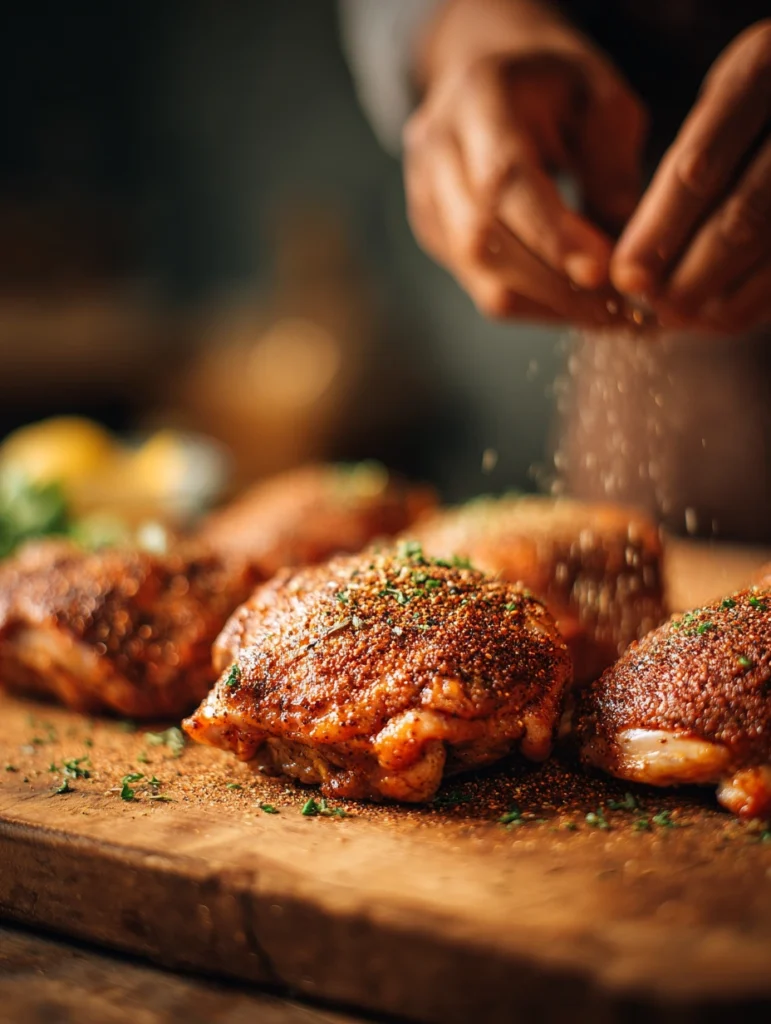
While they’re coming up to room temp, pat them dry with paper towels. And I mean really dry. Moisture is the enemy of crispy skin. Then hit both sides with your favorite rub. At my restaurant, we use a Kansas City-style rub with brown sugar, paprika, garlic powder, onion powder, black pepper, and a little cayenne. But honestly, even just kosher salt and coarse black pepper will do wonders. Keep it simple if that’s your style.
My Go-To KC Rub (Makes About 1/2 Cup)
| Ingredient | Amount |
| Brown sugar | 2 tbsp |
| Smoked paprika | 2 tbsp |
| Garlic powder | 1 tbsp |
| Onion powder | 1 tbsp |
| Black pepper | 1 tsp |
| Kosher salt | 1 tsp |
| Cayenne pepper | ¼ tsp |
Step 2: Set Up Your Grill for Two-Zone Cooking
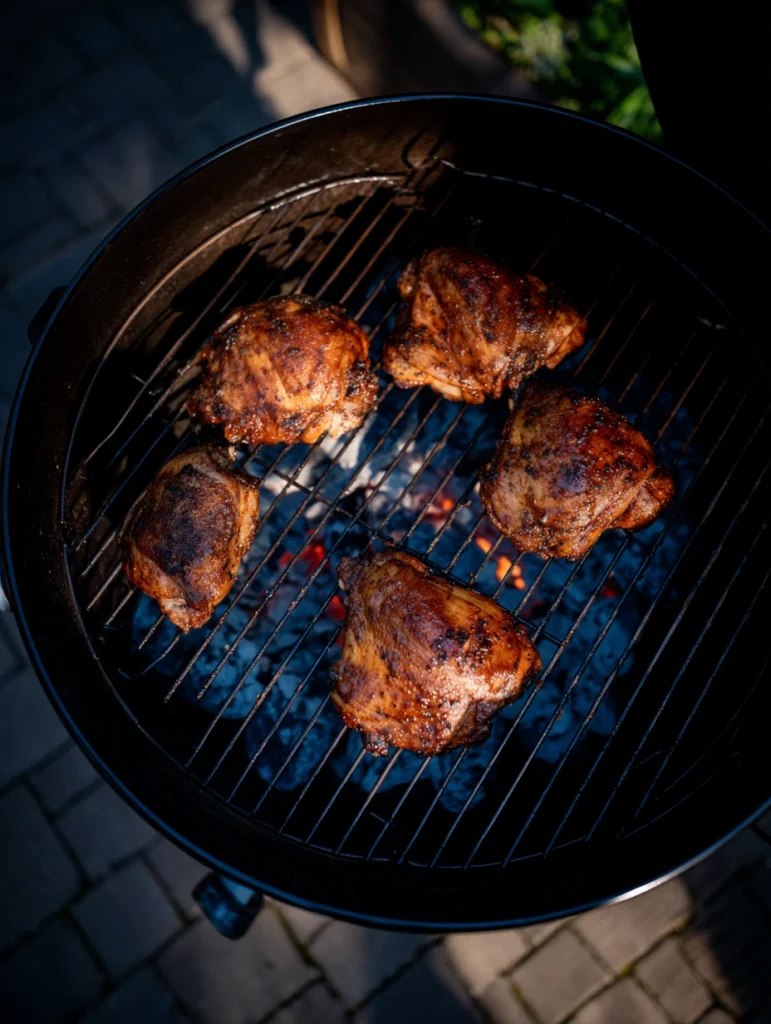
This is probably the single most important technique for grilling chicken thighs, and it’s the thing most backyard grillers get wrong. You need two zones: a hot direct zone and a cooler indirect zone.
For charcoal: Bank all your coals to one side. Hot side for searing, cool side for gentle cooking. For gas: light the burners on one side to medium-high, leave the other side off. For pellet grills: honestly, you’re already set up for indirect cooking—just crank it to 375°F and let the magic happen.
The reason two-zone matters is that chicken skin has a nasty habit of causing flare-ups. All that rendered fat dripping onto flames? That’s how you end up with charred, bitter skin and raw interiors. With two zones, you can move thighs to the cool side when flames start licking.
Step 3: Grill with Patience (The Hard Part)
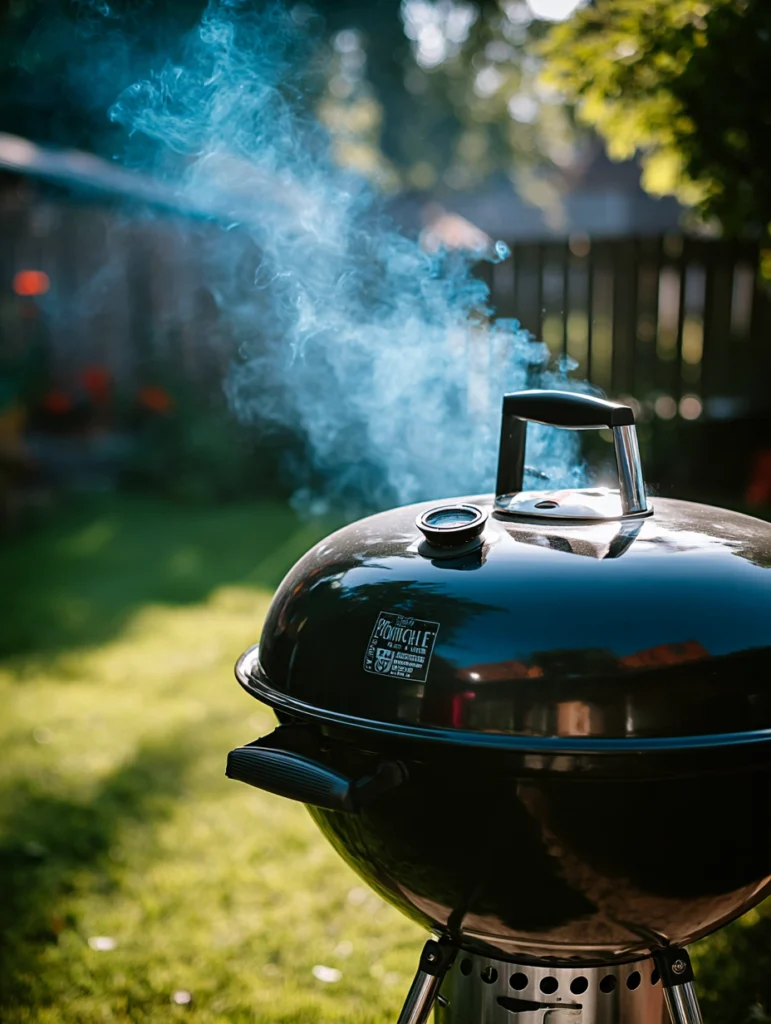
Place your thighs skin-side up on the indirect zone first. Close the lid. Set a timer. Walk away. I mean it. The biggest mistake I see people make is fiddling with their chicken. Every time you lift that lid, you’re losing heat and adding cook time.
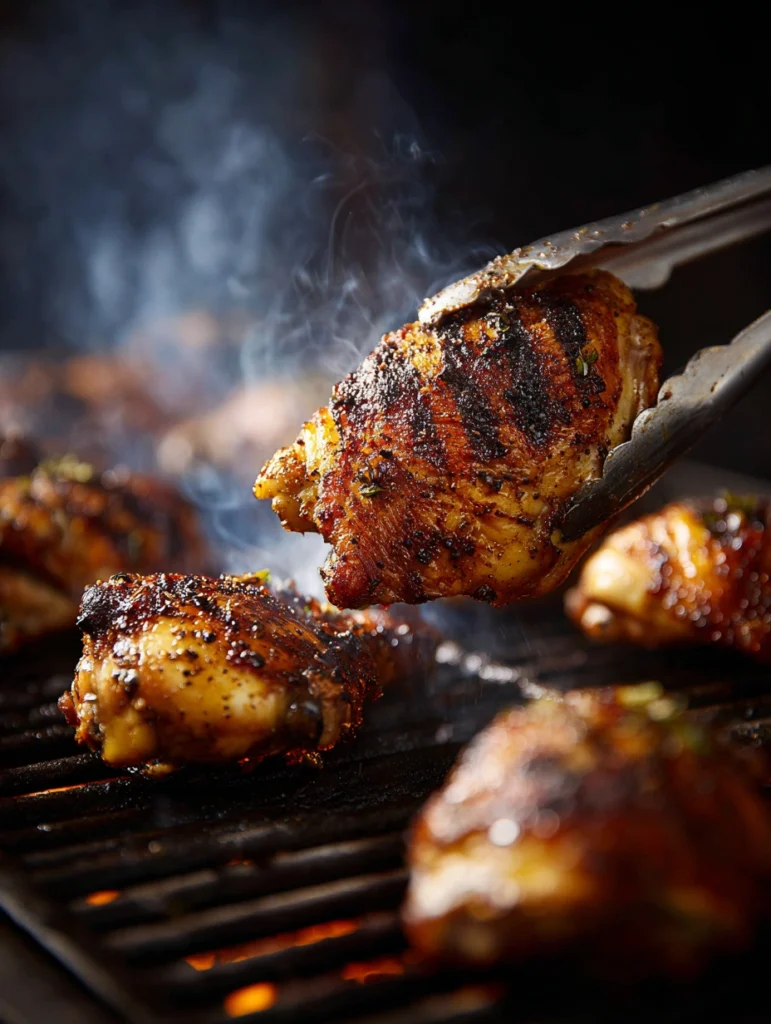
After about 20 minutes (at 350–375°F), flip the thighs to skin-side down, still on indirect heat. Let them go another 10–15 minutes. Then, for the final 5–7 minutes, move them directly over the hot zone, skin-side down, to crisp up the skin. Watch them closely here—this is when flare-ups happen.
Pro Tip: If you’re saucing your thighs, wait until the last 5–7 minutes. Sugar-based sauces will burn if applied too early. Brush on a thin layer, flip once, brush again, and pull.
Step 4: Check the Temperature (Trust the Thermometer, Not the Timer)
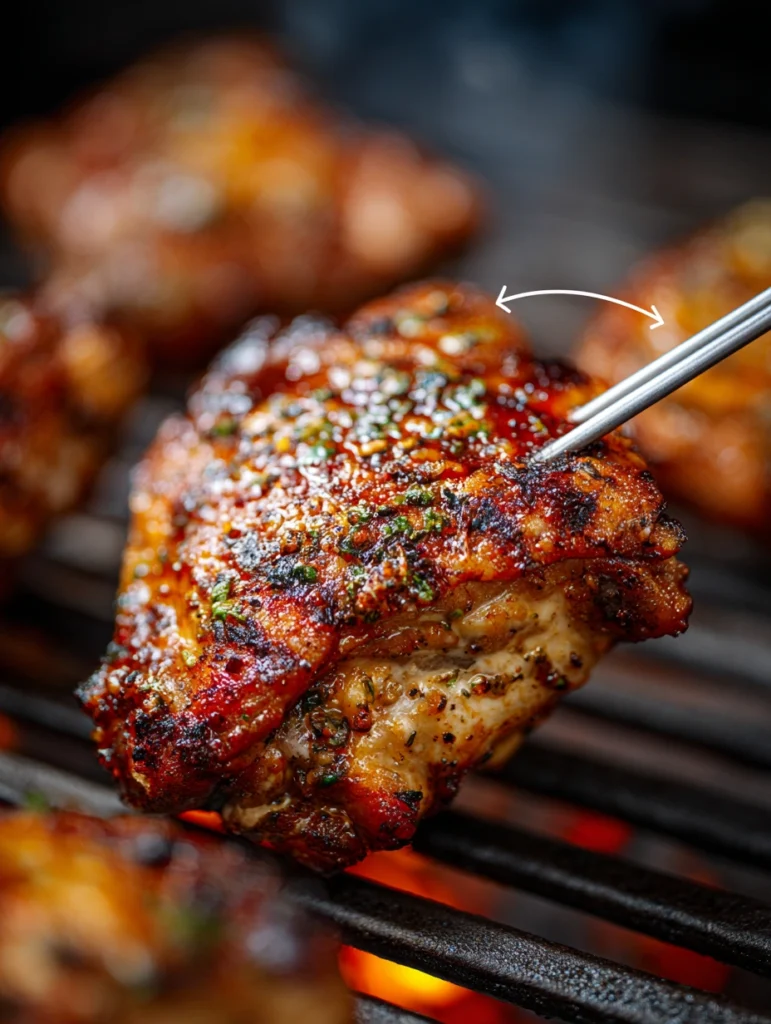
Here’s the thing about cook times—they’re guidelines, not guarantees. Every grill is different. Wind, ambient temperature, the size of your thighs, even altitude can change how long things take. The only way to know your chicken is done is with an instant-read thermometer.
Insert it into the thickest part of the thigh, avoiding the bone. The bone conducts heat differently than the meat, so it’ll give you a false reading if you’re touching it. You’re looking for 185–190°F. When you hit that sweet spot, pull them off.
Step 5: Rest Before Serving
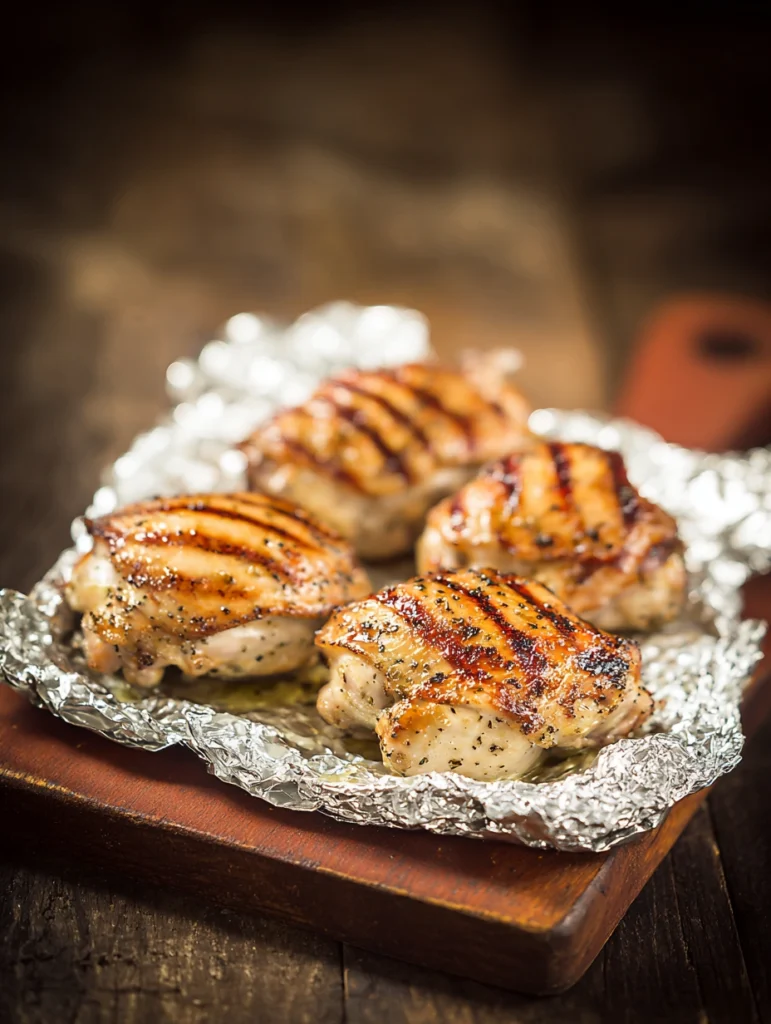
I see people cutting into their chicken the second it comes off the grill, and it physically pains me. Let those thighs rest for 5–10 minutes, loosely tented with foil. This lets the juices redistribute throughout the meat instead of running out all over your cutting board. Patience here means the difference between juicy and dry.
The 5 Most Common Mistakes (And How to Fix Them)
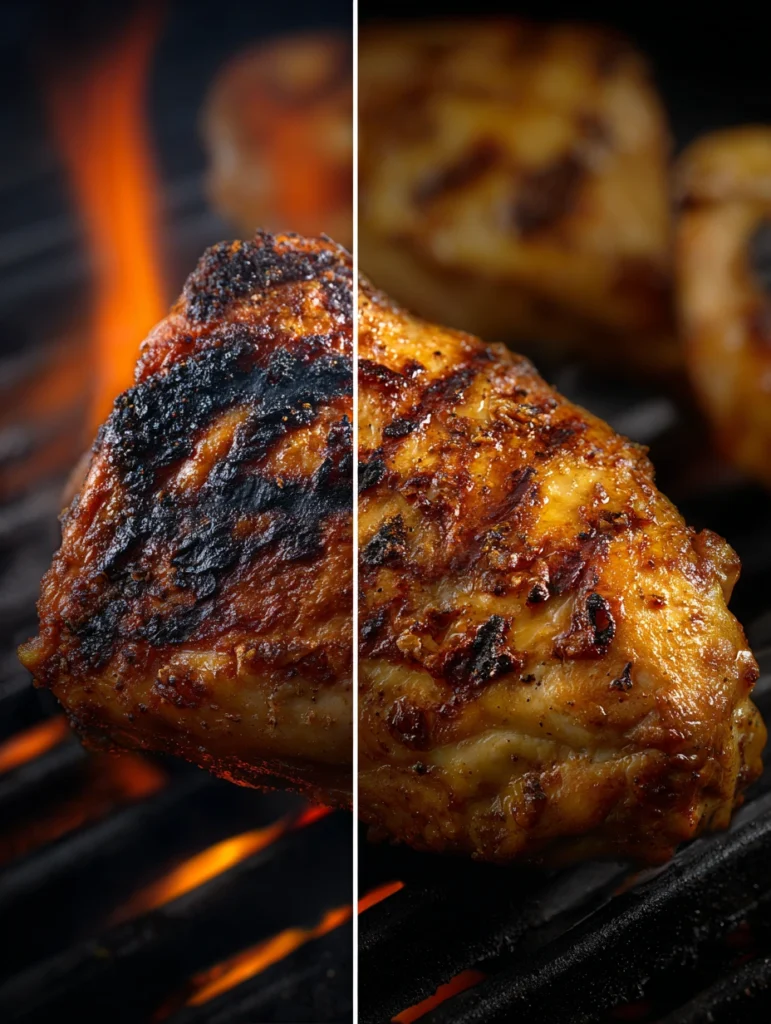
After two decades of grilling and teaching other people to grill, I’ve seen the same mistakes over and over. Here’s what to watch out for.
| Mistake | What Happens | The Fix |
| Grilling over direct heat only | Burnt skin, raw interior | Use two-zone setup; finish over direct heat |
| Not drying the skin | Rubbery, pale skin | Pat dry thoroughly with paper towels before seasoning |
| Pulling at 165°F | Chewy, tough meat near bone | Cook to 185–190°F for tender, fall-off-the-bone results |
| Saucing too early | Burnt, bitter sauce | Apply sauce only in the last 5–7 minutes of cooking |
| Cutting into meat to check | Juices escape, dry chicken | Use an instant-read thermometer instead |
How Long to BBQ Chicken Thighs Bone In: By Grill Type
Not all grills are created equal, and the type of grill you’re using absolutely affects your cook time. Here’s a breakdown from my experience testing across all three major types.
Charcoal Grill (Weber Kettle Style)
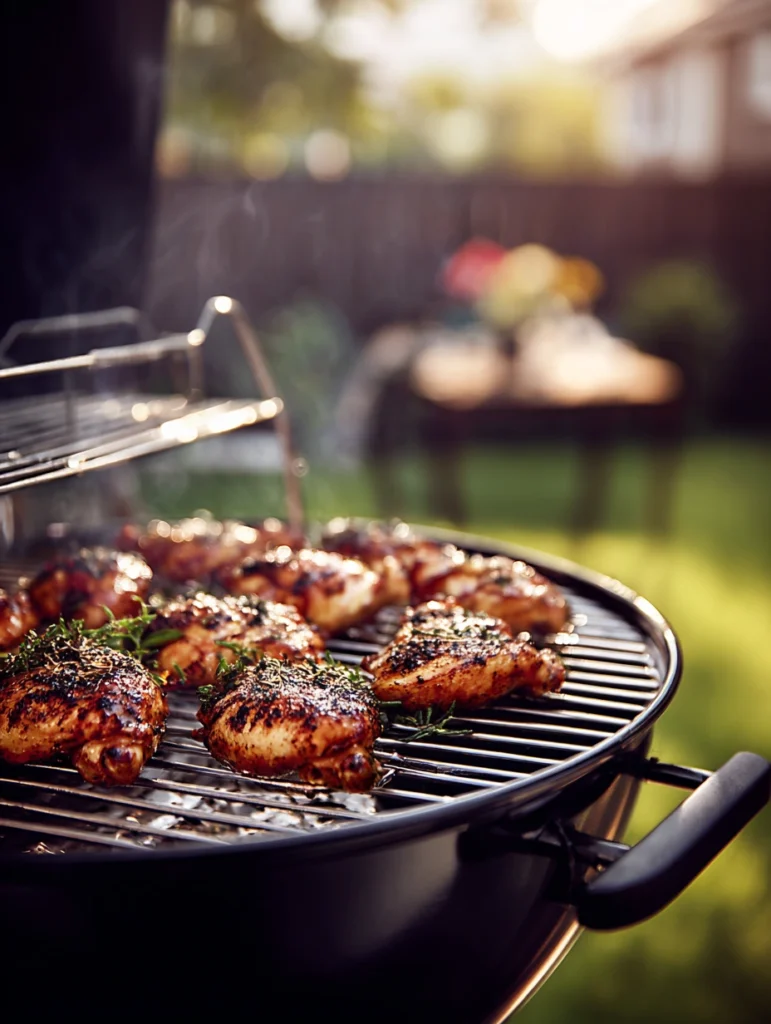
Charcoal is my first love, and for chicken thighs it’s hard to beat. You get that smoky flavor you just can’t replicate on gas. Set up for two-zone, aim for 350–375°F on the indirect side, and plan for 35–45 minutes total. The key with charcoal is managing your vents—open them about halfway for that sweet spot temperature.
Gas Grill
Gas grills are convenient and consistent, which I appreciate on a busy weeknight. Preheat to medium-high on one side (about 375°F), leave the other side off. Cook times are similar—35–45 minutes—but gas grills tend to run a bit hot, so keep that thermometer handy. The one downside? You miss out on some smoky flavor. I’ll sometimes toss a foil pouch of wood chips on the hot side to compensate.
Pellet Grill / Smoker
If you’ve got a pellet grill, you’re living the dream for chicken thighs. Set it to 375°F and let the convection do its thing. Pellet grills give you great smoke flavor with almost zero effort. Cook times might run 40–50 minutes since pellet grills don’t always sear as aggressively. For crispier skin, crank the temp to 400°F for the last 5–10 minutes.
| Grill Type | Temp | Time | Smoke? | Skin Crispiness |
| Charcoal | 350–375°F | 35–45 min | Excellent | Very Good |
| Gas | 375°F | 35–45 min | Minimal | Good |
| Pellet / Smoker | 375°F | 40–50 min | Great | Good (crank to crisp) |
Flavor Variations to Keep Things Interesting
Once you’ve got the basic technique down, it’s time to have some fun. These are a few of my favorite riffs on the classic BBQ chicken thigh. Same times and temps—just different flavor profiles.
Kansas City Sweet Heat
This is my signature at the restaurant. Use the KC rub from above, grill to 185°F, then glaze with a thick tomato-and-molasses-based sauce in the last 5 minutes. Sweet, smoky, a little spicy. Pure Kansas City.
Alabama White Sauce Style
Here’s one that’ll surprise your guests. Use a simple salt-and-pepper base, grill the thighs, then dunk them in Alabama white sauce—a tangy mayo-based sauce with vinegar and horseradish. I was skeptical the first time I tried it in Decatur about ten years ago. Now I make it at least once a month.
Asian-Inspired Teriyaki Glaze
Marinate in a mix of soy sauce, mirin, ginger, and garlic for at least 2 hours. Grill as usual and glaze with reduced teriyaki in the last few minutes. The sugar in teriyaki burns fast, so watch it like a hawk. Finish with sesame seeds and sliced scallions. My kids request this one every other week.
Frequently Asked Questions
Can I BBQ bone-in chicken thighs from frozen?
Technically yes, but I really don’t recommend it. Frozen thighs will cook unevenly—the outside gets done while the inside near the bone stays dangerously undercooked. Always thaw fully in the refrigerator (usually overnight) or use the cold water method if you’re short on time.
Do I need to remove the skin?
Absolutely not—unless you want to, of course. The skin is your flavor shield. It protects the meat from drying out and, when crisped properly, it’s one of the best parts. If you’re watching calories, you can always remove it after cooking, but I’d grill with the skin on regardless.
How do I prevent flare-ups?
Two-zone cooking is your best friend here. Keep a spray bottle of water nearby for small flare-ups, and trim any large flaps of excess skin or fat before grilling. And whatever you do, don’t squirt lighter fluid on active coals to boost your fire. I’ve seen it happen. It’s not pretty.
Should I brine bone-in chicken thighs before grilling?
Brining is great for chicken breasts because they’re lean and need the moisture insurance. Thighs? They’re already loaded with fat and moisture. If you want to brine, a quick 1–2 hour brine in a 5% salt solution will add some extra seasoning, but it’s not necessary. I’d rather spend that time perfecting my rub.
Fire Up That Grill – You’ve Got This
So there you have it—everything I know about how long to BBQ chicken thighs bone in, condensed from twenty-plus years of standing over hot coals, competing in competitions, and feeding thousands of hungry barbecue lovers here in Kansas City.
The beautiful thing about bone-in chicken thighs is that they’re cheap, they’re delicious, and they’re almost impossible to mess up once you understand the fundamentals: two-zone heat, 350–375°F, 35–45 minutes, internal temp of 185–190°F, and for the love of barbecue, let them rest before you dig in.
Now get out there and make some chicken that’ll have your whole block showing up uninvited. That’s the highest compliment a pit master can get.
About The Author